






What's Happening?
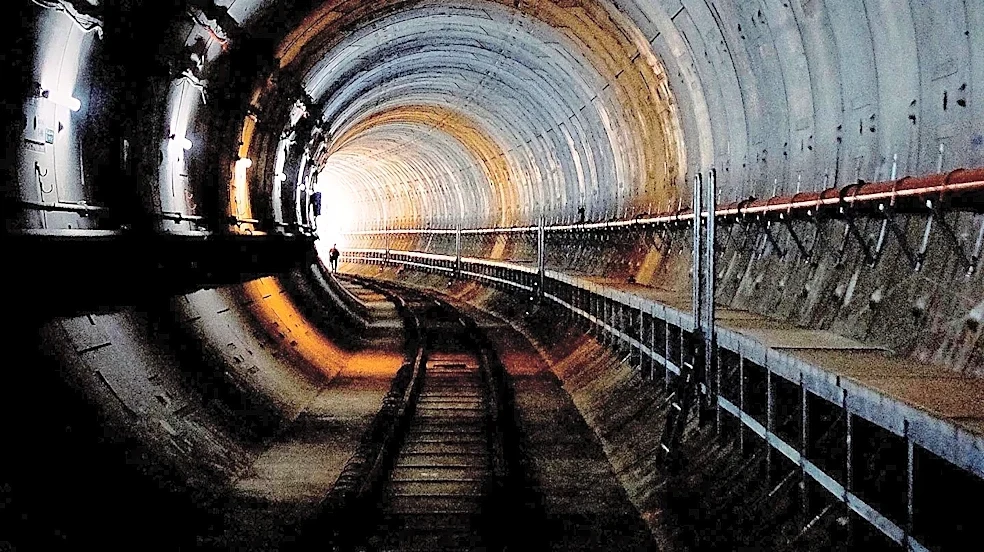
The Parliamentary Standing Committee on the Ministry of Planning has unanimously decided to launch an investigation into the implementation and financial losses of the Karnaphuli Tunnel project. This decision was made during the committee's second meeting,
held at the Jatiya Sangsad (JS) Bhaban. Chaired by Zahir Uddin Swapon, MP, who is also the Prime Minister's Political Adviser, the committee discussed various aspects of the tunnel, including its feasibility study, implementation process, and the reasons behind its current financial losses. The committee plans to examine these issues in detail at its next meeting and will seek cooperation from all relevant parties to ensure a thorough investigation. Additionally, the meeting reviewed the status of 1,153 ongoing projects under the Ministry of Planning and analyzed the reasons for extending the duration of 256 projects in the 2025-26 fiscal year.
Why It's Important?
This investigation is significant as it addresses concerns regarding public funds and project management within major infrastructure developments. Financial losses and implementation issues in large-scale projects like the Karnaphuli Tunnel can have substantial economic implications, potentially leading to increased public debt, delayed benefits, and reduced trust in government project execution. By scrutinizing the feasibility study and implementation process, the committee aims to identify systemic problems that contribute to cost overruns and delays. The findings could lead to policy reforms in project planning, oversight, and accountability, which are crucial for ensuring efficient use of taxpayer money and successful completion of future national development initiatives. The review of other ongoing projects and reasons for extensions further highlights a broader concern about project management efficiency.
What's Next?
The Parliamentary Standing Committee is scheduled to conduct a detailed examination of the Karnaphuli Tunnel project's issues at its upcoming meeting. This will involve gathering information and cooperation from all concerned parties, which may include project managers, contractors, and relevant government agencies. The committee is expected to present its findings and recommendations, which could range from specific corrective actions for the tunnel project to broader policy changes for project management across the Ministry of Planning. Furthermore, the ministry is working on a new policy for appointing project directors, which is hoped to resolve persistent problems in the appointment process. Recommendations for expediting project implementation and addressing regional disparities in development are also anticipated.
Beyond the Headlines
Beyond the immediate financial and implementation concerns, this investigation could uncover deeper issues related to governance, transparency, and accountability in large-scale public works projects. It might reveal deficiencies in initial feasibility assessments, procurement processes, or oversight mechanisms that allow for financial mismanagement or inefficiencies. The outcome could influence investor confidence in future public-private partnerships and impact the country's overall development trajectory. Moreover, the focus on regional disparities in project implementation suggests a broader commitment to equitable development, indicating that the committee's findings could also shape policies aimed at ensuring balanced infrastructure growth across different regions, addressing socio-economic inequalities, and fostering inclusive national development.