







What's Happening?
Oprah Winfrey, a globally recognized media executive and philanthropist, and John J. Fisher, an American businessman, investor, and sports team owner, do not have a reliably established personal or business relationship. While both individuals are prominent
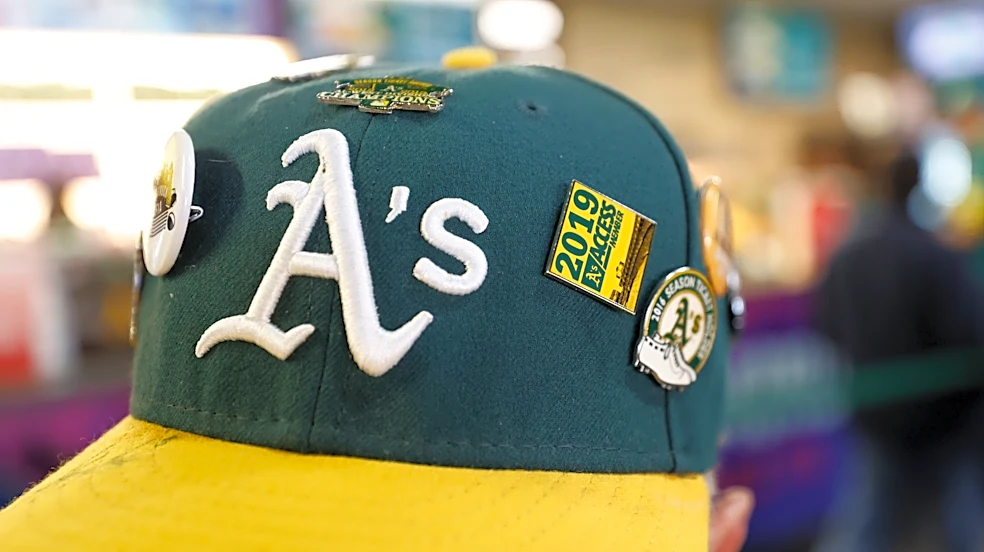
public figures, their careers and primary areas of influence differ significantly. Winfrey built her media empire through broadcasting, production, and philanthropy, becoming known for 'The Oprah Winfrey Show' and her various media ventures, including OWN. Fisher, on the other hand, is associated with the Gap family business and is primarily known for his investments in professional sports, particularly his ownership role with the Oakland Athletics baseball organization. The appearance of their names together in online searches does not indicate a direct connection, but rather reflects a general interest in comparing influential individuals or their philanthropic activities. Both have shown interests in education and philanthropy, but these shared broad interests do not constitute a direct collaboration or personal relationship.
Why It's Important?
The distinction between public figures with similar names or overlapping interests is crucial for accurate information dissemination and avoiding misinformation. In an era where online searches can inadvertently link unrelated individuals, understanding the nuances of their public profiles is vital. For the public, it highlights the importance of verifying information, especially concerning high-profile personalities, to differentiate between documented facts and speculation. For media and information platforms, it underscores the responsibility to present clear, evidence-based connections rather than implying relationships based on shared search terms or broad thematic overlaps. This case exemplifies how public influence can manifest through diverse professional paths—Winfrey through media and public conversation, and Fisher through business ownership and institutional decision-making—and that shared philanthropic endeavors do not automatically imply direct collaboration.
What's Next?
Moving forward, the emphasis remains on critical evaluation of information, particularly in online contexts. Readers and researchers are encouraged to seek primary documentation, such as official biographies, organizational announcements, or direct statements, to confirm any alleged connections between public figures. It is important to identify the correct individual when a name is shared by multiple public figures, as in the case of 'John Fisher.' Future discussions or articles involving these individuals should clearly state the absence of a confirmed relationship if no reliable evidence exists, rather than filling information gaps with speculation. This approach ensures a more accurate and responsible portrayal of their respective careers and public contributions, preventing the spread of unverified claims.
Beyond the Headlines
This situation delves into the broader implications of how information is consumed and interpreted in the digital age. The ease with which search engines can group names based on keywords, rather than verified relationships, poses a challenge to factual accuracy. It highlights the ethical responsibility of content creators and consumers to distinguish between verified relationships, shared subjects of interest, and unverified claims. The differing approaches to influence—Winfrey's through mass communication and audience engagement, and Fisher's through financial ownership and organizational strategy—also offer a lens through which to examine the diverse ways power and impact are wielded in society. This case serves as a reminder that while philanthropy and education are common interests among the wealthy, the specific methods and collaborations require concrete evidence to establish a direct link.