
What's Happening?
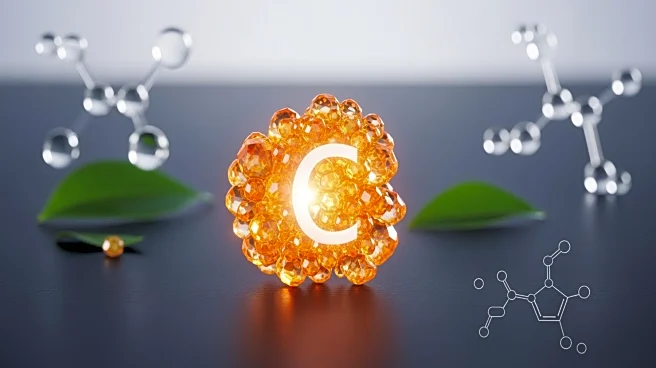
A study published in Nature has demonstrated that L-ascorbate (vitamin C) supplementation can suppress tumor development in Sod1/Prdx4 double-knockout (DKO) mice, which are prone to non-alcoholic steatohepatitis
(NASH) and related hepatic tumors. The research observed that DKO mice exhibited high mortality and tumor incidence, which were significantly reduced with L-ascorbate supplementation. The study suggests that vitamin C's ability to counteract oxidative stress plays a crucial role in mitigating tumor development in these mice.
Why It's Important?
The findings highlight the potential of L-ascorbate as a therapeutic agent in preventing liver cancer associated with NASH, a condition that affects a significant portion of the population. This research could lead to new dietary or pharmacological interventions for individuals at risk of developing NASH-related liver cancer. The study also underscores the importance of oxidative stress management in cancer prevention, offering insights into the mechanisms of tumorigenesis.
What's Next?
Further research is needed to explore the precise mechanisms by which L-ascorbate influences tumor development and to determine its efficacy in human subjects. Clinical trials could be designed to assess the potential of vitamin C supplementation in preventing liver cancer in patients with NASH. Additionally, studies may investigate the broader implications of oxidative stress management in cancer prevention and treatment.