







What's Happening?
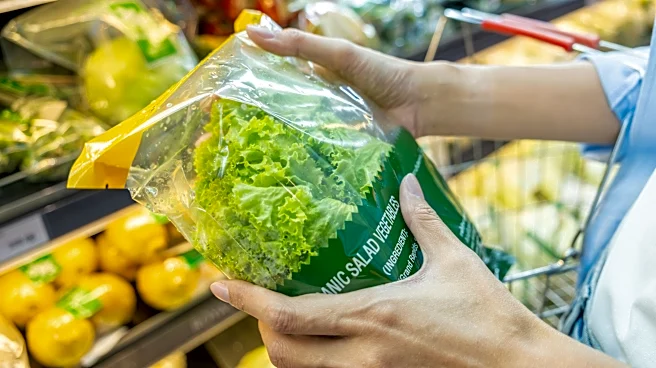
Cheshire Medical Center in Keene, New Hampshire, has identified 16 cases of cyclosporiasis, a foodborne illness caused by the parasite cyclospora, linked to its salad bar. Among those affected, 10 are hospital employees. The outbreak is part of a larger
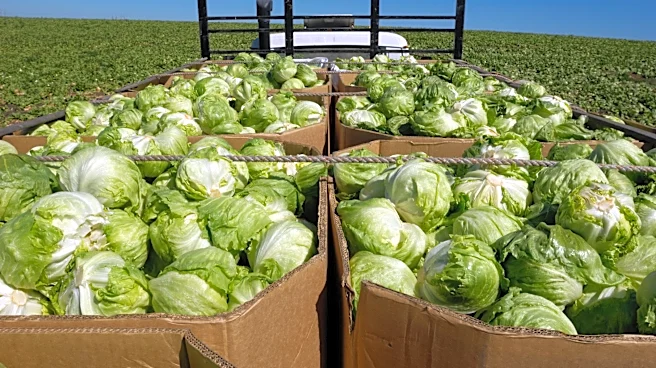
national issue, with the Centers for Disease Control and Prevention (CDC) confirming nearly 4,200 cases and over 300 hospitalizations across the United States. The New Hampshire Department of Health and Human Services has traced the local cases to a national recall of Taylor Farms lettuce, which was served at the hospital's cafeteria. The parasite is typically ingested through contaminated food or water, causing symptoms such as diarrhea, nausea, and fever. The outbreak has prompted increased public awareness and reporting of symptoms.
Why It's Important?
The outbreak highlights significant concerns about food safety and the supply chain's vulnerability to contamination. With thousands affected nationwide, the incident underscores the need for stringent food safety protocols and effective tracking systems to prevent such occurrences. The healthcare sector, particularly hospitals like Cheshire Medical Center, faces challenges in maintaining patient and staff safety amidst such outbreaks. The situation also raises questions about the effectiveness of current food safety regulations and the ability of health agencies to respond swiftly to prevent widespread illness. The economic impact on affected businesses, such as Taylor Farms, and the healthcare costs associated with treating infected individuals are substantial.
What's Next?
Cheshire Medical Center has removed all items from its salad bar as a precautionary measure. The Food and Drug Administration (FDA) is investigating the supply chain to trace the source of contamination. Increased public awareness may lead to more reported cases as individuals recognize symptoms and seek medical attention. Health agencies are likely to enhance monitoring and reporting systems to better manage future outbreaks. The situation may prompt legislative or regulatory reviews to strengthen food safety standards and improve response mechanisms.