




What's Happening?
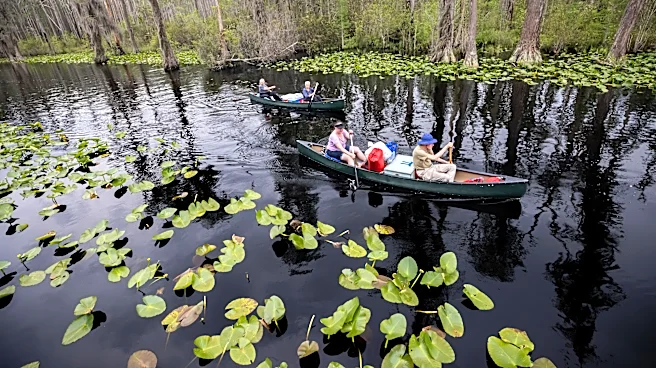
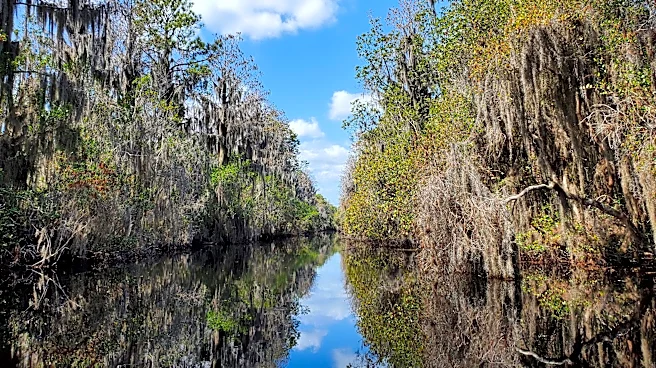
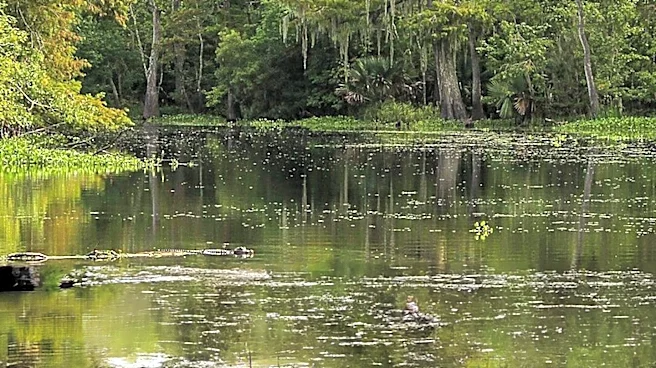
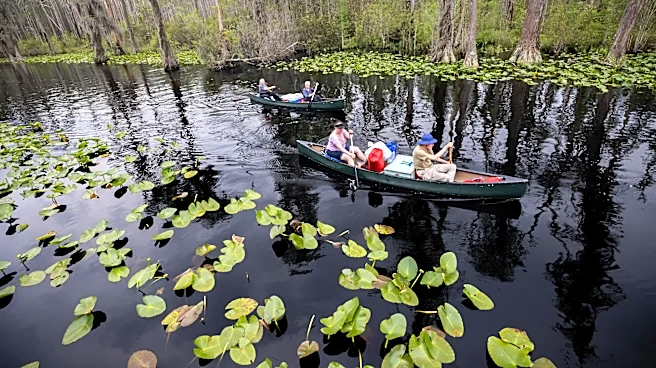
The Okefenokee Swamp in Georgia has been designated as a UNESCO World Heritage Site, marking it as the 27th such site in the United States. This decision was made by a United Nations committee during a meeting in Busan, South Korea. The Okefenokee Swamp is recognized
for its vast biodiversity, including numerous plant, mammal, bird, fish, reptile, and amphibian species. It is the largest black water swamp in North America and serves as a critical habitat for various wildlife, including migratory birds and American alligators. Despite some local opposition fearing increased U.N. involvement, the U.S. Fish and Wildlife Service maintains ownership and management of the site.
Why It's Important?
The inclusion of the Okefenokee Swamp on the World Heritage List highlights its ecological significance and the need for its preservation. This designation can enhance conservation efforts and attract global attention to the swamp's unique biodiversity. It also underscores the importance of protecting natural habitats that serve as vital ecosystems and carbon storage areas. The recognition may lead to increased tourism and educational opportunities, benefiting local economies while promoting environmental awareness.
What's Next?
With its new status, the Okefenokee Swamp will be subject to monitoring by UNESCO to ensure its preservation. The U.S. Fish and Wildlife Service will continue to manage the site, focusing on conservation and sustainable use. Local communities and stakeholders may engage in discussions to balance conservation efforts with economic interests, such as tourism. The designation could also inspire further conservation initiatives for other significant natural sites in the U.S.