




What's Happening?
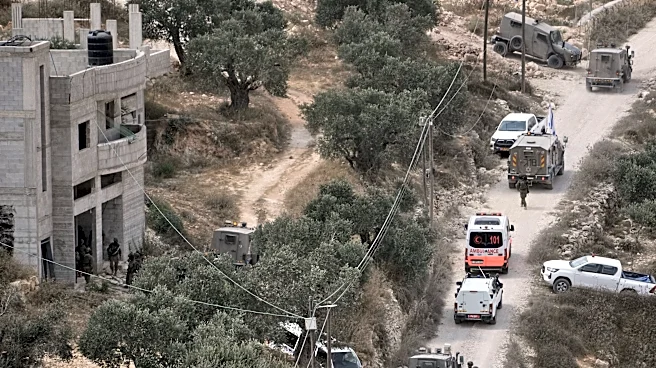
The United Nations World Food Programme (WFP) has significantly cut food assistance in the West Bank, reducing support by half to 200,000 people from an original 400,000. This drastic measure is a direct consequence of severe funding constraints faced
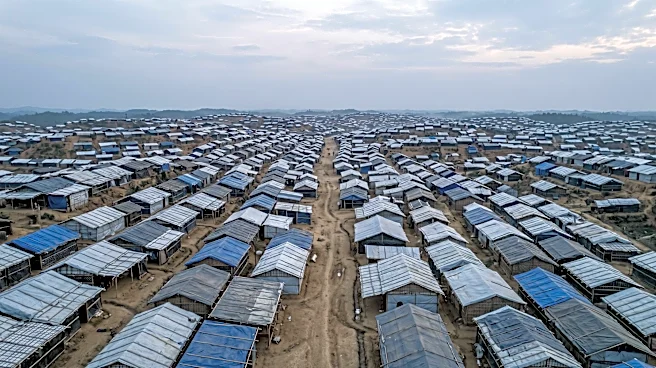
by the WFP. The region is experiencing escalating food insecurity, with an estimated 900,000 individuals now classified as food insecure. The WFP has been compelled to prioritize aid for the most vulnerable populations, while simultaneously scaling back assistance to others who are also in need, due to the critical shortfall in financial resources. This reduction highlights a growing humanitarian crisis in the West Bank, where a large portion of the population relies on external aid for basic sustenance. The decision underscores the difficult choices humanitarian organizations must make when faced with insufficient funding to meet widespread needs.
Why It's Important?
This reduction in food aid by the WFP carries significant implications for the stability and humanitarian situation in the West Bank. The immediate impact is a worsening of food insecurity for hundreds of thousands of people, potentially leading to increased malnutrition, health issues, and social unrest. For the U.S., this situation could translate into increased pressure to provide additional humanitarian funding to the region, either directly or through international organizations. A destabilized West Bank could also complicate U.S. foreign policy objectives in the Middle East, potentially exacerbating existing tensions and hindering peace efforts. Furthermore, the funding shortfall for WFP reflects a broader challenge in international humanitarian aid, where global crises are outstripping available resources. This could prompt a re-evaluation of international aid strategies and donor commitments, with the U.S. playing a crucial role in shaping these discussions. The long-term consequences could include a greater reliance on emergency aid rather than sustainable development, perpetuating cycles of dependency.
What's Next?
In the immediate future, the WFP will continue to prioritize the most vulnerable populations in the West Bank with the limited funds available, meaning many previously assisted individuals will no longer receive aid. This will likely lead to increased hardship and a greater demand for assistance from other humanitarian organizations or local support networks. International appeals for increased funding are expected to intensify, with the WFP and other UN agencies urging member states, including the U.S., to contribute more to avert a deeper humanitarian crisis. There may also be increased advocacy from non-governmental organizations highlighting the plight of those affected by the aid cuts. The situation could prompt discussions within the U.S. government regarding its humanitarian aid budget and strategic allocations, especially concerning regions with high geopolitical significance. The effectiveness of current aid mechanisms and the sustainability of funding models for humanitarian operations will likely come under scrutiny.
Beyond the Headlines
The WFP's decision to cut food aid in the West Bank extends beyond immediate humanitarian concerns, touching upon deeper issues of international responsibility and the political economy of aid. This situation underscores the fragility of food security in conflict-affected or politically unstable regions, where populations are highly dependent on external support. It also highlights the ethical dilemma faced by aid organizations forced to choose who receives life-sustaining assistance when resources are scarce. The long-term implications could include a further erosion of trust in international aid efforts if consistent support cannot be guaranteed. Moreover, the funding crisis may inadvertently shift the burden onto local communities and governments, which often lack the capacity to fill such significant gaps. This could lead to increased internal displacement, migration, and regional instability, creating ripple effects that could impact global security and diplomatic relations. The incident serves as a stark reminder of the interconnectedness of global challenges, where funding decisions in one part of the world can have profound and far-reaching human consequences.