







What's Happening?
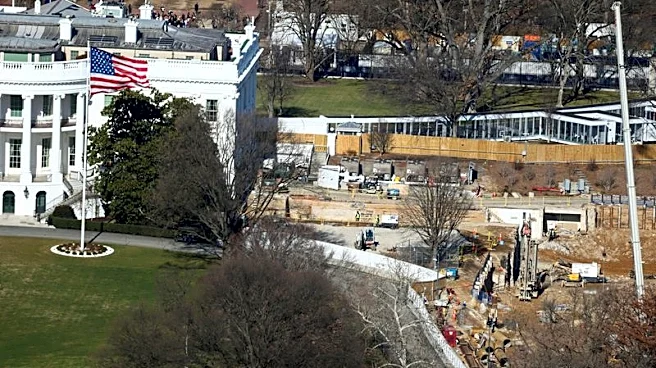
The National Capitol Planning Commission has approved the final plans for a new White House ballroom, even though a federal judge has blocked construction. The judge's ruling emphasized that only Congress can authorize such a project. Despite this legal
hurdle, the commission's approval allows the project to move forward in the planning stages. The decision has sparked a broader debate over executive authority and the role of Congress in approving changes to the White House complex. The ballroom project has faced significant opposition from preservation groups and the public, who argue it could alter the historic character of the White House.
Why It's Important?
The approval of the White House ballroom project by the National Capitol Planning Commission, despite a judicial block, raises important questions about the limits of executive power and the necessity of congressional approval for significant changes to national landmarks. This situation highlights the ongoing tension between different branches of government and the need for clear guidelines on presidential authority. The outcome of this dispute could set a precedent for future projects involving historic sites and influence the balance of power between the executive branch and Congress. The public's overwhelming opposition also underscores the importance of considering public sentiment in government decisions.