





What's Happening?
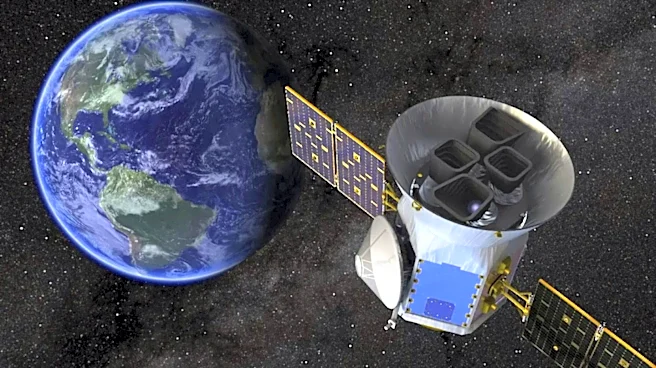
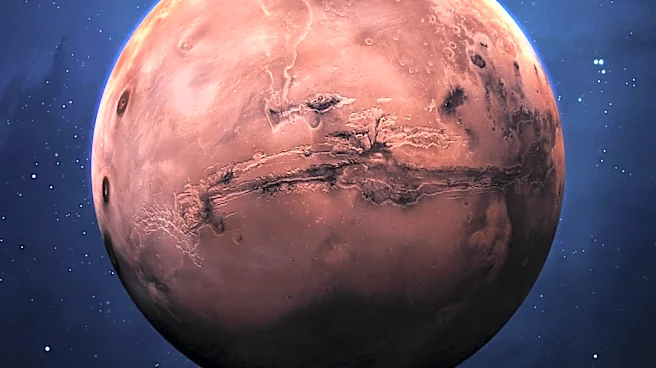
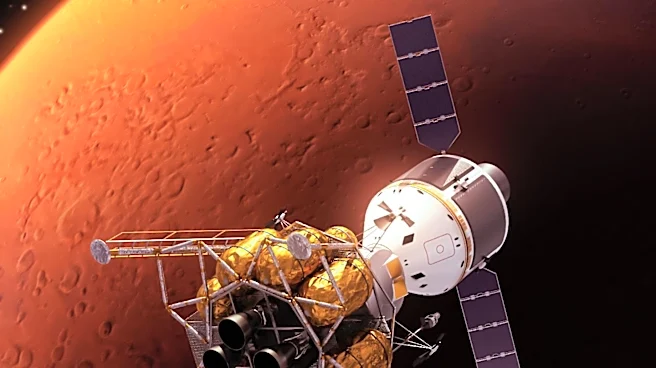
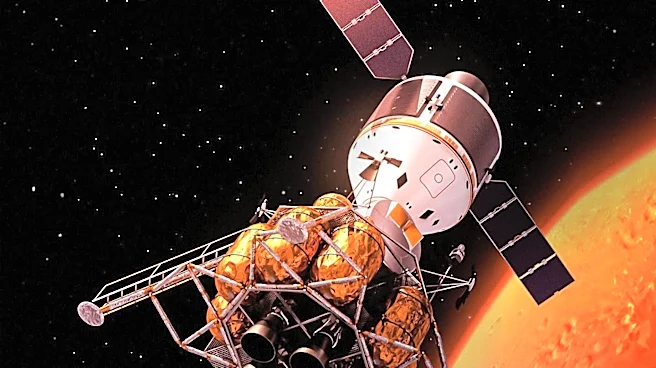
The Japan Aerospace Exploration Agency (JAXA) has unveiled its Martian Moons eXploration (MMX) spacecraft, which is designed to collect samples from Mars' moon Phobos and return them to Earth. The spacecraft was showcased at the Tanegashima Space Center,
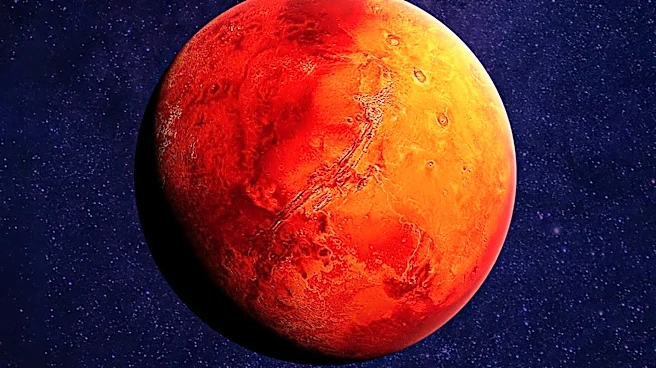
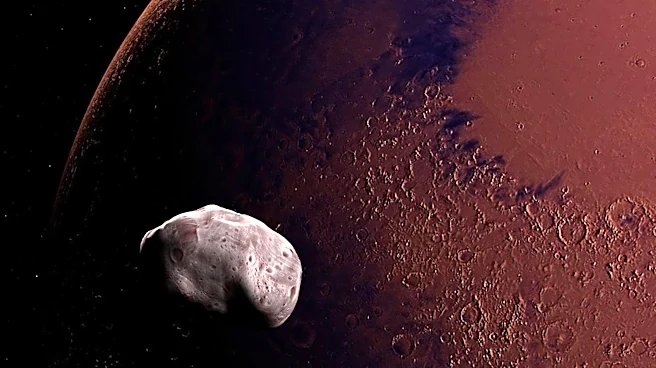
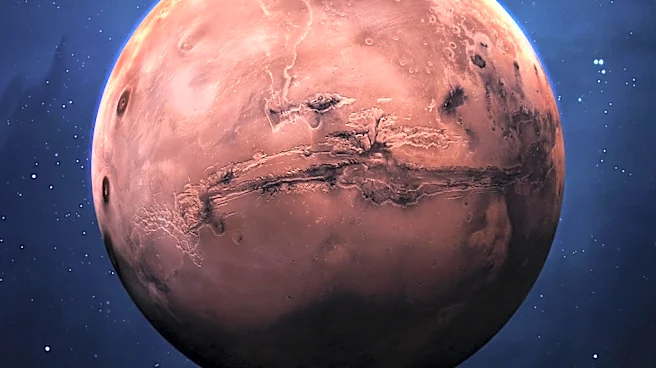
the launch site for the mission. JAXA announced that the MMX mission is scheduled to launch on October 19 at 3:41 p.m. EDT, marking the first day of its launch window, which extends until November 7. This mission was originally planned for 2024 but was delayed due to issues with the H3 rocket. The MMX spacecraft will spend approximately one year traveling to Mars, where it will orbit the Red Planet to map and study its two small moons, Phobos and Deimos. A 55-pound French-German rover named Idefix will be deployed to study Phobos' surface in detail. Following this, the MMX spacecraft will collect about 0.35 ounces (10 grams) of material from Phobos, departing Mars orbit in 2030 and delivering the samples to Earth for analysis a year later.
Why It's Important?
This mission is significant because no spacecraft has successfully returned material from the Mars system to date. Previous attempts, such as Russia's Phobos-Grunt mission, failed. The MMX mission aims to resolve a long-standing debate in solar system science regarding the origin of Phobos and Deimos. By analyzing the returned samples and conducting remote-sensing observations, scientists hope to determine whether these moons are remnants of early Mars formed from debris after a giant impact, or if they are captured asteroids from the outer solar system. This understanding could provide crucial insights into the formation and evolution of Mars and its celestial neighbors. The success of MMX would also demonstrate advanced capabilities in space exploration and sample return technologies, potentially paving the way for future complex missions to other planetary bodies. While NASA also plans to return samples from Mars collected by its Perseverance rover, the timeline and architecture for that mission are currently under review due to cost concerns, making JAXA's MMX mission a pioneering effort in this specific area of Martian exploration.
What's Next?
The immediate next step for the MMX mission is its launch, scheduled for October 19, 2026, from the Tanegashima Space Center. Following a successful launch, the spacecraft will embark on a year-long journey to Mars. Once in orbit around Mars, MMX will begin its detailed study and mapping of Phobos and Deimos. A critical phase will involve the deployment of the Idefix rover onto Phobos' surface for in-situ analysis. Subsequently, the MMX spacecraft will perform the sample collection operation. The mission is then slated to leave Mars orbit in 2030, with the samples expected to arrive on Earth for scientific analysis in 2031. The data and samples collected will be meticulously studied by international scientific teams, potentially leading to new discoveries about the solar system's history and planetary formation processes. The success of this mission could also influence future international collaborations in space exploration.
Beyond the Headlines
The MMX mission carries profound implications beyond its immediate scientific objectives. The successful return of samples from Phobos would represent a significant technological leap, demonstrating the capability to execute complex interplanetary missions involving precise orbital maneuvers, robotic sample collection, and safe return to Earth. This achievement could inspire future missions to other challenging destinations, such as asteroids or other planetary moons, which could hold clues to the origins of life or the distribution of water in the solar system. Ethically, the mission highlights the ongoing human endeavor to understand our place in the cosmos and the scientific drive to answer fundamental questions about planetary formation. The international collaboration, particularly with the French-German rover Idefix, underscores the global nature of space exploration and the shared human interest in scientific discovery. The insights gained from Phobos and Deimos could also refine models of planetary accretion and impact events, influencing our understanding of Earth's own early history.