




What's Happening?
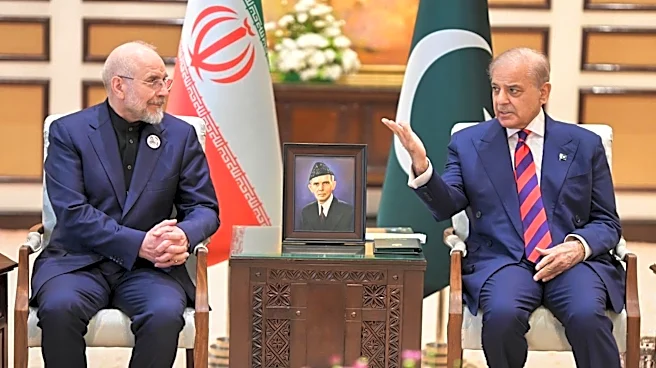
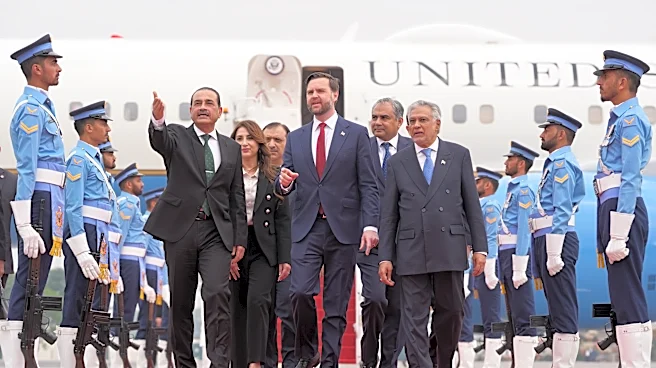
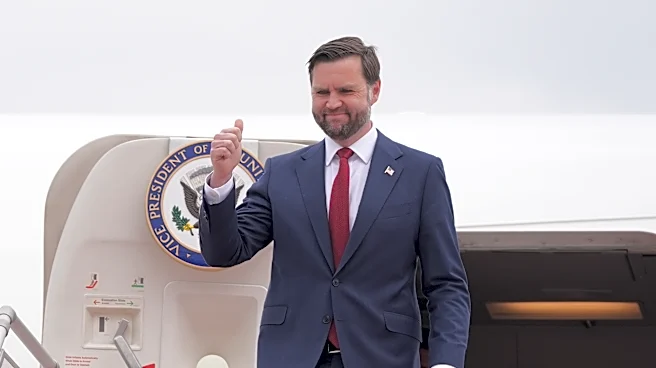
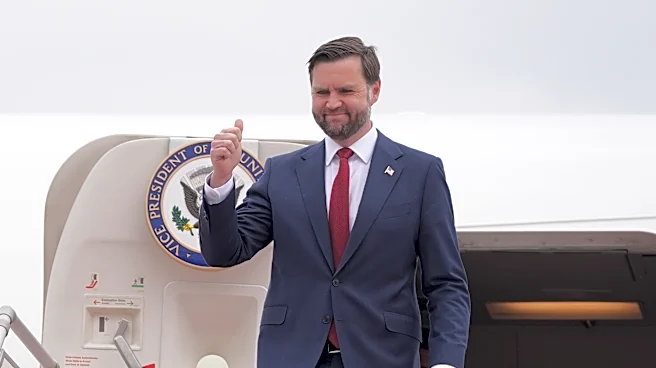
Top officials from the United States and Iran have arrived in Pakistan to initiate peace talks aimed at converting a two-week ceasefire into lasting peace. The U.S. delegation, led by Vice President JD Vance, and the Iranian delegation, led by Parliament
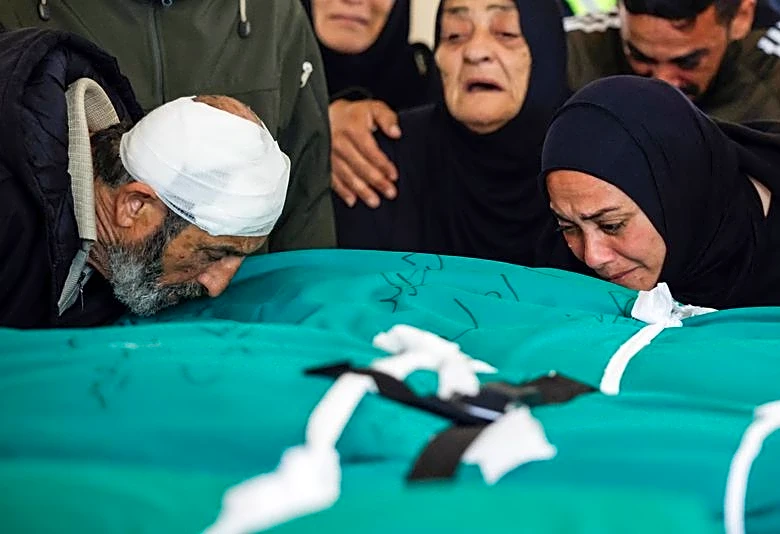
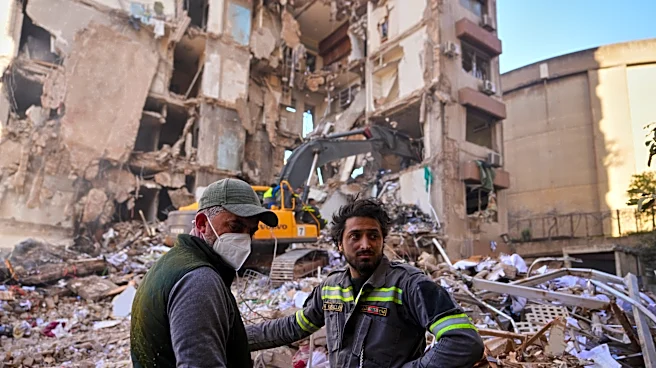
Speaker Mohammad Bagher Qalibaf, are meeting with Pakistani Prime Minister Shehbaz Sharif. The talks are overshadowed by ongoing tensions, including Israeli strikes in Lebanon and Iran's demands for a ceasefire and the release of blocked assets. The conflict has resulted in significant casualties and economic disruptions in the region.
Why It's Important?
The peace talks between the U.S. and Iran are crucial for stabilizing the region and reducing the risk of further conflict. The ongoing war has led to thousands of deaths and significant economic disruptions, particularly affecting global energy markets. Successful negotiations could lead to a reduction in hostilities and the reopening of critical trade routes, such as the Strait of Hormuz. However, the talks are fraught with challenges, including deep-seated mistrust and geopolitical complexities. The outcome of these discussions will have significant implications for regional stability and international relations.