

What's Happening?
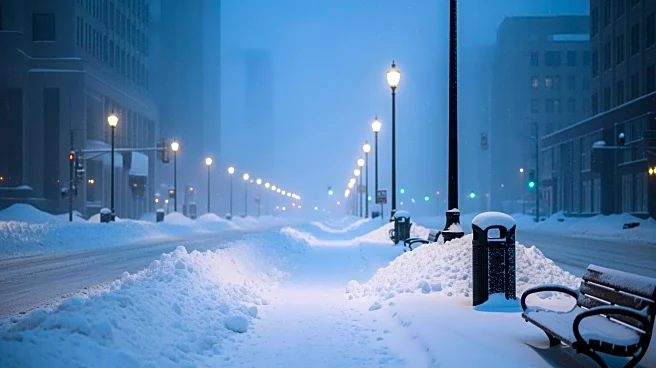
A severe winter storm, classified as a nor'easter, is currently impacting New York City, Long Island, and parts of New Jersey, leading to significant disruptions. The storm has prompted blizzard warnings across the region, with forecasts predicting 12-18
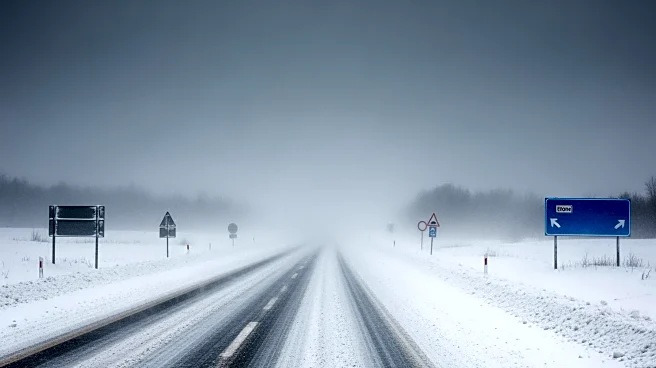
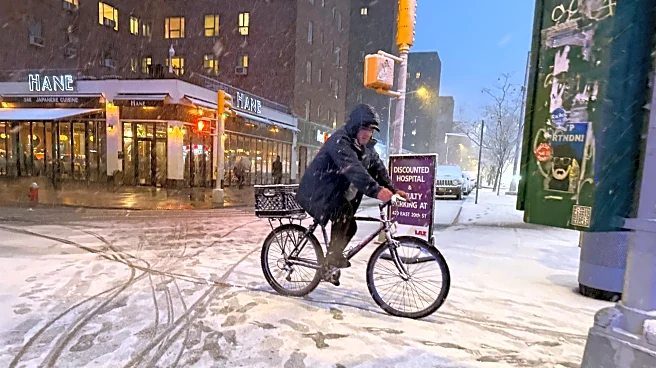
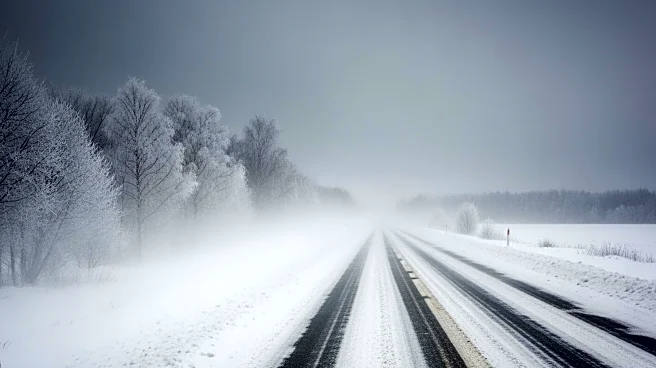
inches of snow in New York City and central New Jersey, and up to two feet in some areas of Long Island. The blizzard conditions, characterized by sustained winds of 35 mph or more and visibility of a quarter mile or less, have resulted in dangerous whiteout conditions. In response, states of emergency have been declared in New York, New Jersey, and Connecticut. Public transportation services, including the Long Island Rail Road and NJ Transit, have been suspended, and New York City schools have declared a snow day. Non-emergency travel has been banned, and businesses like DoorDash have ceased operations in the city.
Why It's Important?
The blizzard is causing widespread disruptions in one of the most densely populated regions in the United States, affecting millions of residents. The travel bans and suspension of public transportation services are likely to have significant economic impacts, particularly for businesses reliant on daily operations and deliveries. The storm also poses safety risks, with potential for power outages and property damage due to heavy snow and high winds. The declaration of states of emergency underscores the severity of the situation, as local governments prioritize public safety and resource allocation. The storm's impact on infrastructure and daily life highlights the challenges cities face in managing extreme weather events, which are becoming increasingly common due to climate change.
What's Next?
As the storm continues, authorities will focus on maintaining public safety and restoring normalcy. Cleanup efforts will commence once the snow subsides, with priority given to clearing major roads and restoring public transportation services. Local governments will assess the storm's impact on infrastructure and coordinate with utility companies to address any power outages. Residents are advised to stay informed through official channels and adhere to travel restrictions until conditions improve. The storm's aftermath may prompt discussions on improving infrastructure resilience and emergency preparedness in the face of future extreme weather events.