








What's Happening?
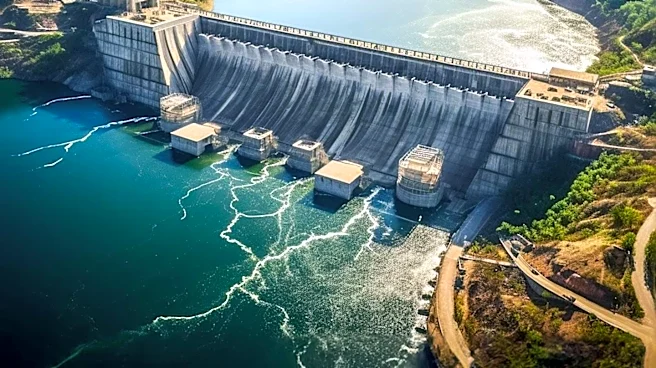
The United States relies on a network of massive dams and their reservoirs to supply drinking water, irrigate farmland, and generate electricity. The ten largest dams in the country, primarily constructed between the 1930s and 1970s, collectively have
the capacity to store approximately 151.6 million acre-feet of water at their full designated pools. This volume is equivalent to nearly 49.4 trillion gallons. Lake Mead, behind the Hoover Dam, remains the largest reservoir with a capacity of 28,945,000 acre-feet, supplying water to 25 million people across Nevada, Arizona, and California. Other significant reservoirs include Lake Powell (Glen Canyon Dam), Lake Sakakawea (Garrison Dam), Lake Oahe (Oahe Dam), and Fort Peck Lake (Fort Peck Dam). These reservoirs are vital for various regions, with some, like Lake Cumberland, being the largest east of the Mississippi River. However, current water levels in many of these reservoirs can vary significantly due to factors like drought and water demand.
Why It's Important?
These large-scale water storage systems are critical infrastructure for the U.S., directly impacting millions of citizens and key economic sectors. The reservoirs provide essential drinking water to major population centers, support extensive agricultural operations through irrigation, and contribute significantly to the nation's energy grid via hydroelectric power generation. The reliance on these dams highlights the importance of water management and conservation, especially in regions prone to drought. The historical context of their construction during periods of federal investment underscores a long-standing national commitment to resource management. The fluctuating water levels, particularly in western states, signal potential challenges for water security and resource allocation, affecting industries, communities, and ecosystems dependent on these water sources.
What's Next?
Given the variability in water levels, particularly due to ongoing drought conditions in some regions, monitoring and managing these reservoirs will remain a critical focus. Future efforts may involve continued investment in infrastructure maintenance and upgrades, such as the foundation seepage barrier completed at Wolf Creek Dam. Water conservation initiatives and interstate agreements for water allocation, especially in basins like the Colorado River, will likely continue to evolve. The long-term sustainability of these water resources will depend on addressing climate patterns, population growth, and agricultural demands. Travelers planning visits to these reservoirs are advised to check current water levels, indicating that public awareness and adaptation to changing conditions are ongoing necessities.
Beyond the Headlines
The construction of these massive dams, while providing immense benefits, also had profound social and environmental impacts. For instance, the creation of Lake Sakakawea and Lake Oahe led to the displacement of Native American communities and the inundation of traditional lands, a history that continues to resonate in the affected regions. These projects represent a complex legacy of human intervention in natural systems, balancing economic development and resource provision against ecological and cultural considerations. The ongoing challenges of drought and water scarcity underscore the ethical dilemmas and long-term planning required for managing such vital resources, prompting discussions about sustainable water use and the equitable distribution of water rights across different stakeholders and ecosystems.