



What's Happening?
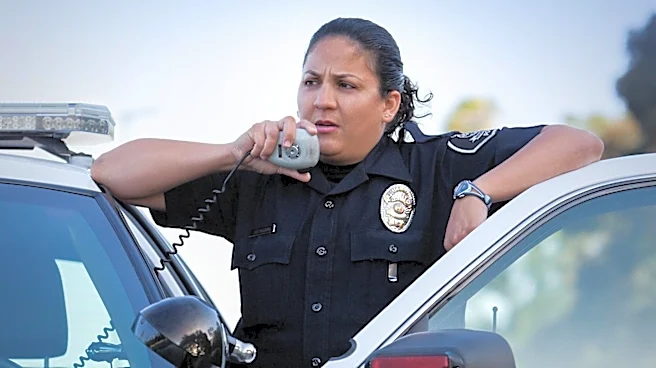
The Nampa Police Department is reassigning officers from specialized units to patrol duties following the rejection of a police levy by voters. This realignment, which began this month and is projected to continue through June 2027, aims to sustain emergency
response times and public safety services using existing resources. Officers from various specialized roles, including traffic enforcement, DUI enforcement, criminal investigations, and school resource officer assignments, are being moved back to patrol. As a consequence of these shifts, the department anticipates a reduced capacity for specialized traffic enforcement and criminal investigations. Additionally, police leadership is evaluating staffing for community programs and events such as the Citizens Academy, Youth Academy, Snake River Stampede, and God and Country Festival to ensure resources are optimally allocated.
Why It's Important?
This strategic reallocation by the Nampa Police Department underscores the direct impact of local funding decisions on public safety services. The failure of the police levy necessitates operational adjustments that could alter the scope and availability of specialized police functions within the community. While the department aims to maintain core emergency response, the reduction in specialized units like traffic and criminal investigations could lead to changes in how certain types of incidents are addressed. This situation highlights the ongoing challenge for municipal police forces to balance community expectations for comprehensive services with budgetary constraints, potentially affecting crime prevention efforts and the thoroughness of investigations in specific areas. The community may experience shifts in police visibility and the types of law enforcement activities prioritized.
What's Next?
The Nampa Police Department will proceed with the phased realignment of officers, which is expected to be completed by June 2027. The department plans to prioritize training and support for reassigned officers, focus on employee retention, and maintain leadership oversight throughout this transition. Furthermore, commitments that draw resources away from patrol duties will be scaled back. The community can anticipate ongoing adjustments in police service delivery, particularly concerning specialized enforcement and community engagement programs. Future discussions around police funding and resource allocation are likely to continue, as the department navigates maintaining public safety with its current operational framework.
Beyond the Headlines
The decision to reallocate police resources in Nampa reflects a broader national trend where local communities grapple with funding public services, particularly law enforcement. The rejection of the police levy could signal public sentiment regarding taxation, police priorities, or perceived effectiveness, prompting a deeper conversation about community policing models and resource allocation. This situation may also influence future public discourse on how essential services are funded and the trade-offs involved when such funding is not secured. It could lead to increased community involvement in discussions about police budgeting and operational strategies, as residents directly experience the consequences of these financial decisions on local safety and specialized services.