



What's Happening?
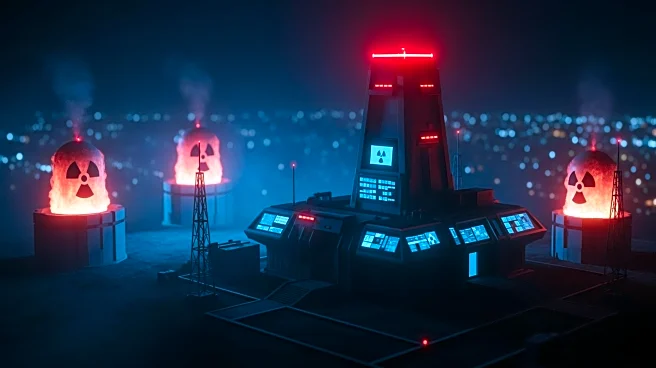
An anti-nuclear art exhibit titled 'Atomic Dragons' at Pitzer College in Claremont, California, has gained unexpected relevance following a joint military operation by the United States and Israel against Iran. The exhibit, organized by the SWANS collective,
explores the environmental and human costs of nuclear proliferation. The military action was prompted by concerns over Iran's nuclear materials, which experts say could potentially be used to create nuclear weapons. The exhibit features works that highlight the risks of nuclear technology, drawing connections to historical events such as the Cold War and the Manhattan Project.
Why It's Important?
The military operation against Iran underscores the ongoing global tensions surrounding nuclear proliferation. The exhibit's focus on the dangers of nuclear technology is timely, as it coincides with real-world events that could influence international nuclear policy. The situation raises concerns about the potential for increased nuclear armament and the breakdown of non-proliferation treaties. The art exhibit serves as a poignant reminder of the destructive power of nuclear weapons and the importance of diplomatic efforts to prevent their spread.
What's Next?
The exhibit will conclude with a symposium featuring nuclear experts, which may provide further insights into the implications of the recent military actions. The international community will likely monitor the situation closely, as the potential for escalation remains a concern. The outcome of this conflict could influence future diplomatic negotiations and efforts to strengthen non-proliferation agreements.
Beyond the Headlines
The exhibit highlights the cultural and ethical dimensions of nuclear technology, emphasizing the need for public awareness and engagement in discussions about nuclear policy. The artworks serve as a catalyst for dialogue about the moral responsibilities of nuclear-armed nations and the impact of nuclear technology on future generations.