
What's Happening?
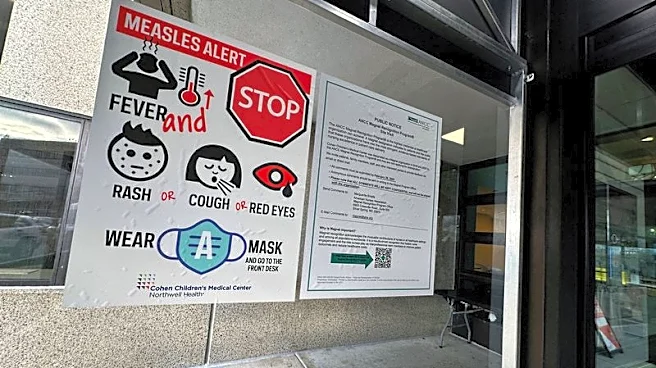
The Pennsylvania Department of Health (DOH) has confirmed the seventh measles-associated death in the state, involving an unvaccinated resident of Montour County. This death contributes to a total of 1,542
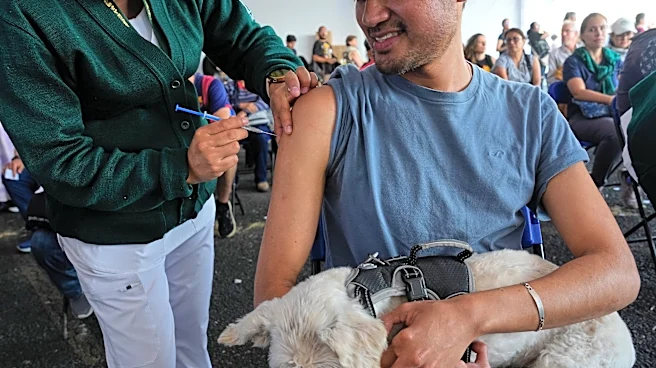
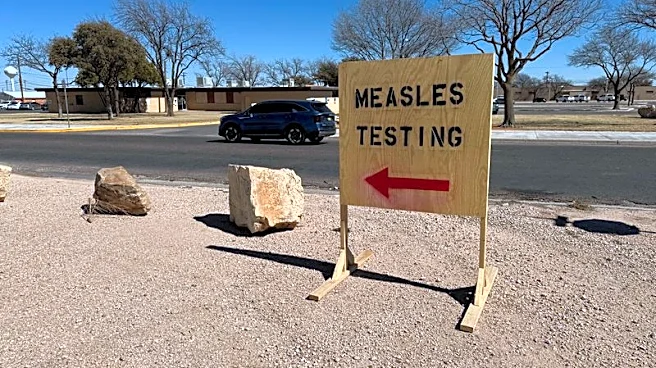
confirmed measles cases across 46 counties in Pennsylvania as of 2026. The DOH is actively responding to the ongoing measles outbreak, with approximately 300 staff members working to provide information and access to the measles, mumps, and rubella (MMR) vaccine. Since the outbreak began in late April, DOH nurses have administered over 11,300 MMR vaccine doses through pop-up clinics and state health centers. Additionally, healthcare providers statewide have seen a significant increase in MMR vaccinations, administering over 56,000 doses in September and 61,000 in October, compared to a typical monthly average of 25,000 doses. The DOH continues to collaborate with the Centers for Disease Control and Prevention (CDC) to review cases and coordinate response efforts.
Why It's Important?
The confirmation of a seventh measles-associated death underscores the severe public health threat posed by the ongoing outbreak in Pennsylvania. Measles is a highly contagious disease that can lead to serious complications, including pneumonia and brain swelling, and can be fatal, particularly for unvaccinated individuals. The surge in cases and deaths highlights the critical importance of vaccination for community immunity and individual protection. The DOH's extensive outreach and vaccination efforts are crucial in mitigating the spread of the virus and preventing further fatalities. The increased demand for MMR vaccines indicates a growing public awareness and concern, which is vital for controlling the outbreak and protecting vulnerable populations, especially infants and those with compromised immune systems.
What's Next?
The Pennsylvania DOH plans to continue its robust response to the measles outbreak, with additional pop-up vaccination clinics scheduled based on community interest and need. The DOH recommends an additional early 'zero dose' of the MMR vaccine for infants aged 6 through 11 months in areas with sustained community transmission, which does not replace the two routine doses. Children 12 months and older who have not been vaccinated are advised to get their first dose immediately, followed by a second dose 28 days later. Adults with only one dose or no vaccination records should consult a healthcare provider or pharmacist about getting vaccinated. The DOH will maintain its collaboration with the CDC to monitor the situation, review cases, and refine public health strategies to contain the outbreak.
Beyond the Headlines
The measles outbreak in Pennsylvania, leading to multiple deaths, reflects a broader challenge in public health concerning vaccine hesitancy and the re-emergence of vaccine-preventable diseases. The high contagiousness of measles means that even a small decline in vaccination rates can lead to widespread outbreaks, posing significant risks to public health and straining healthcare resources. This situation highlights the ethical imperative of vaccination for community protection, as unvaccinated individuals not only risk their own health but also contribute to the spread of disease to those who cannot be vaccinated due to age or medical conditions. The ongoing efforts to combat misinformation and promote vaccine uptake are crucial for maintaining herd immunity and preventing future outbreaks of preventable diseases.