


What's Happening?
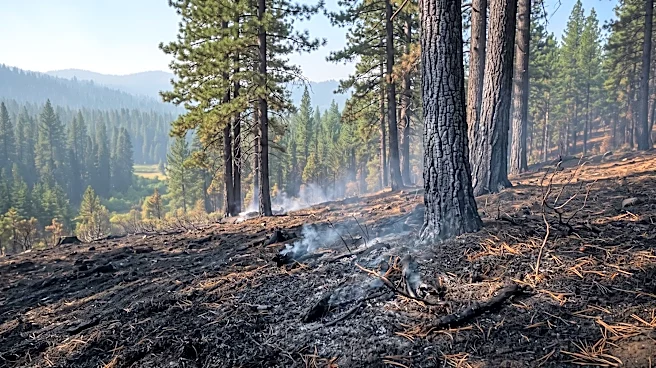
Fire departments in Upper Michigan are urging residents to exercise extreme caution and avoid burning activities this weekend due to dangerous fire weather conditions. Wildfires have already ignited, with the Michigamme-Spur Fire Department reporting
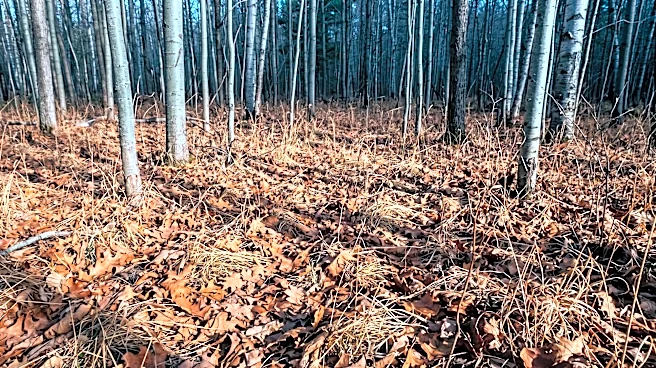
monitoring a wildfire northeast of Craig Lake, to which the Department of Natural Resources (DNR) and National Forest Service are responding. The Michigan DNR previously issued a release highlighting the high wildfire risk caused by dry weather and anticipated strong winds. DNR Fire Prevention Specialist Paul Rogers noted that dried grasses and falling leaves are adding to the fuel load, which can accelerate wildfire spread. Unseasonably warm temperatures and southerly winds, expected to reach 10 to 20 mph with gusts up to 40 mph, are a significant concern as these conditions can carry embers long distances, exacerbating the risk in already dry areas. Rogers also mentioned that ongoing drought conditions are leading to extended mop-up times for fires, as they burn deep into the ground beneath leaves and grass.
Why It's Important?
The heightened wildfire risk in Upper Michigan carries significant implications for public safety, natural resources, and local economies. Wildfires can lead to widespread destruction of property, displacement of residents, and pose direct threats to human life. The ecological impact is substantial, as fires can devastate forests, wildlife habitats, and air quality, with smoke potentially affecting distant communities. Economically, firefighting efforts are costly, and the long-term recovery for affected areas can be immense, impacting tourism, timber industries, and local businesses. The call for caution from multiple agencies underscores the severity of the situation and the potential for rapid escalation of fires under the described weather conditions. The extended mop-up times due to deep-burning fires indicate a more persistent and challenging threat, requiring prolonged resource allocation and increasing the risk of reignition. This situation highlights the critical need for public adherence to fire prevention guidelines to mitigate potential disasters.
What's Next?
Upper Michigan agencies will continue to monitor weather conditions and wildfire activity closely. Residents are advised to regularly check for burn permits, as conditions can change rapidly, and permits may be revoked or restricted. The DNR and local fire departments will likely maintain a strong presence in high-risk areas and respond to any new ignitions. Public awareness campaigns will continue to emphasize fire safety practices, such as keeping water sources nearby when burning, preventing trailer chains from dragging, avoiding parking hot equipment on dry grass, and thoroughly extinguishing campfires. The focus will remain on prevention and rapid response to minimize the impact of any new wildfires. Depending on the persistence of dry and windy conditions, further restrictions on outdoor activities or even evacuations could be implemented if the situation deteriorates.
Beyond the Headlines
The recurring pattern of dangerous wildfire conditions in regions like Upper Michigan points to broader environmental shifts, potentially linked to climate change, which can lead to more frequent and intense fire seasons. The emphasis on equipment-related fire prevention, such as checking for spark arrestors and avoiding hot equipment on dry grass, highlights the often-overlooked human element in wildfire causation. This situation also underscores the strain on local and state resources, including fire departments and natural resource agencies, which must continuously adapt to evolving fire threats. The long-term implications include potential changes in forest management practices, increased investment in fire-resistant infrastructure, and a greater reliance on advanced predictive modeling and early detection technologies to safeguard communities and ecosystems. The community's role in prevention becomes paramount, fostering a collective responsibility to protect shared natural environments.