









What's Happening?
The World Food Programme (WFP) has issued a dire warning that Yemen's humanitarian crisis is on the verge of becoming 'even more catastrophic' due to the ongoing conflict. Samantha Chattaraj, the WFP's deputy country director for Yemen, stated that the situation
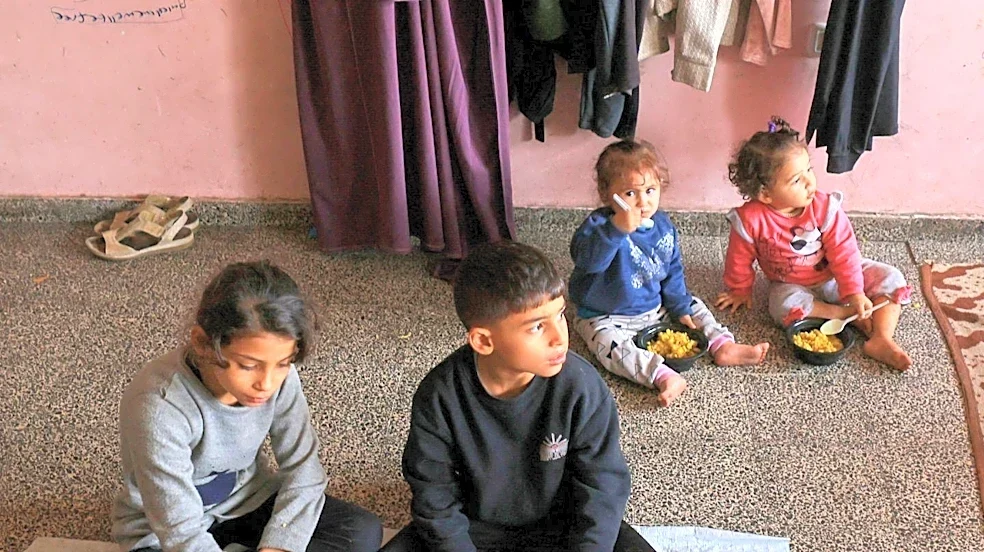
is 'truly desperate.' Yemen was already identified as one of the world's top hunger hotspots, with its population heavily reliant on imported food or humanitarian assistance. The WFP has now lost access to over 800,000 people who depended on their aid until last month. This loss of access is a direct consequence of escalating conflict, shifting front lines, road closures, and growing insecurity, particularly in areas like Taiz. The consequences are already evident in overcrowded camps and among displaced populations, who are reporting severe living conditions. The WFP emphasizes that without restoring the right operating environment and facilitating access for assistance, the country is moving 'from hunger to starvation.'
Why It's Important?
This warning from the WFP underscores the critical and rapidly deteriorating humanitarian situation in Yemen, which has significant global implications. The potential for widespread starvation on such a large scale represents a catastrophic failure of international efforts to protect civilian populations in conflict zones. The inability of a major humanitarian organization like the WFP to reach nearly a million people highlights severe challenges in humanitarian access and protection, setting a dangerous precedent for other conflict-affected regions. The crisis also places immense pressure on international donor countries and aid organizations, demanding increased funding and diplomatic efforts to ensure safe passage for aid. Furthermore, a full-blown famine could destabilize the region further, potentially leading to increased migration flows and exacerbating existing geopolitical tensions, making it a matter of international security and human rights.
What's Next?
The immediate next steps will likely involve intensified advocacy from the WFP and other humanitarian organizations for unimpeded access to affected populations and a cessation of hostilities. There will be urgent calls for increased international funding to address the growing needs and to support the logistical challenges of delivering aid in a conflict zone. Diplomatic efforts will need to focus on negotiating humanitarian corridors and ensuring the safety of aid workers. Without these critical interventions, the WFP's prediction of a shift from hunger to starvation is likely to materialize, leading to a significant increase in mortality rates. The long-term outlook remains bleak without a political resolution to the conflict, as humanitarian aid alone cannot solve the underlying causes of the crisis. The international community faces a critical juncture to prevent an even greater catastrophe.
Beyond the Headlines
The WFP's stark warning goes beyond mere statistics, highlighting the ethical dilemma faced by the international community when humanitarian aid is obstructed by conflict. The concept of 'hunger hot spots' and the reliance on imported food expose the fragility of food security in conflict-prone nations, where local agricultural systems are often destroyed. The shift from 'hunger to starvation' represents a profound moral failure, indicating a breakdown in the protection of basic human rights. This crisis also sheds light on the complex interplay between conflict, climate change, and food insecurity, as Yemen's vulnerability is exacerbated by both war and environmental factors. The long-term implications include a lost generation of children, severe public health crises, and a deeply entrenched cycle of poverty and instability that will require decades of sustained international commitment to overcome, even after the fighting ceases.