









What's Happening?
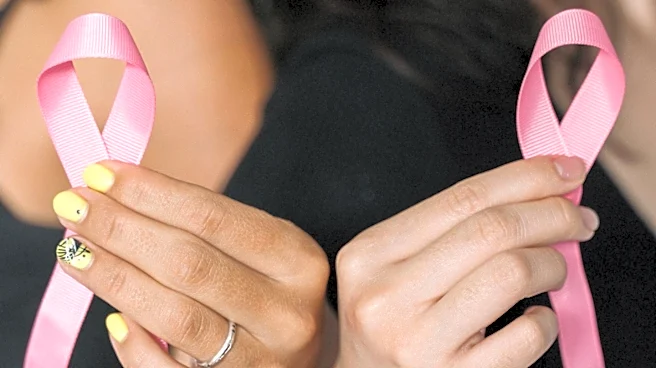
Tiana Bender-Santiago, a 28-year-old from Ventura, California, was diagnosed with Ewing sarcoma, a severe form of bone cancer, at the age of 13. The cancer treatment she underwent, which included chemotherapy and radiation, significantly impacted her fertility,
leading doctors to inform her that she would likely never be able to conceive. Despite this prognosis, Tiana recently discovered she is pregnant, a revelation that came as a shock to her and her husband, Nigel Bender-Santiago. The pregnancy is considered high-risk due to the effects of her previous cancer treatment, and she will be closely monitored by medical professionals. Tiana shared the emotional moment of discovering her pregnancy on TikTok, where it has resonated with many viewers, garnering significant attention and support.
Why It's Important?
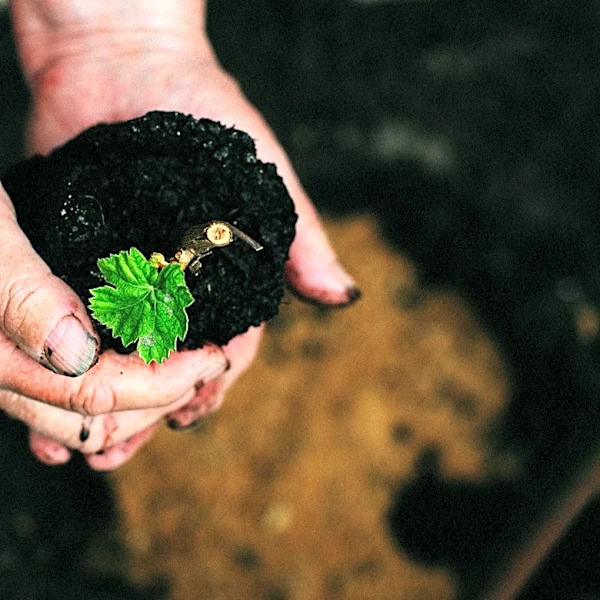
This unexpected pregnancy highlights the unpredictable nature of medical prognoses and the resilience of individuals facing severe health challenges. Tiana's story serves as an inspiration to others who have been told they cannot achieve certain life milestones due to medical conditions. It underscores the importance of hope and perseverance in the face of adversity. Additionally, her experience brings attention to the broader issues of fertility challenges faced by cancer survivors, a topic that is often under-discussed. The public sharing of her journey on social media platforms like TikTok also illustrates the power of digital communities in providing support and spreading awareness about personal health stories.
What's Next?
As Tiana's pregnancy progresses, she will continue to receive close medical supervision to ensure the health and safety of both her and her baby. The couple is preparing for the arrival of their child, expected in December, and will likely continue to share their journey with their online community. This ongoing narrative may provide further insights into the experiences of cancer survivors dealing with fertility issues and high-risk pregnancies. The medical community may also take interest in her case as an example of unexpected fertility outcomes post-cancer treatment.