
What's Happening?
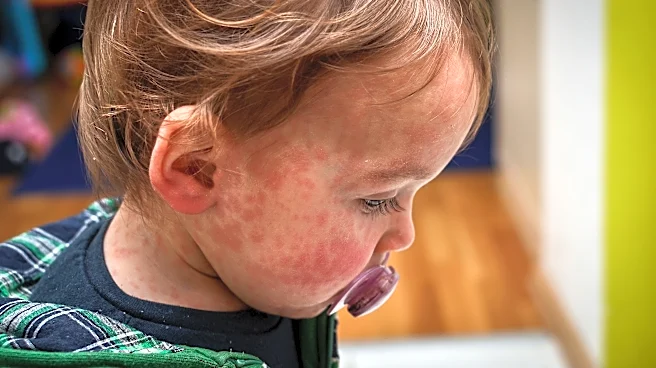
More than 5,000 measles cases have been reported across the United States this year, marking a significant surge in the infectious disease. This increase has prompted growing concerns, particularly as the holiday
season approaches, a period often associated with increased travel and social gatherings. The current figures indicate a dangerous high for measles cases in the U.S., as reported by NBC News’ Aaron Gilchrist on November 8, 2026. The rapid spread of the disease highlights ongoing public health challenges and the importance of vaccination efforts to control outbreaks. The situation suggests a potential for further escalation if preventative measures are not effectively reinforced.
Why It's Important?
The surge in measles cases to over 5,000 in the U.S. carries significant public health implications. Measles is a highly contagious viral disease that can lead to severe complications, including pneumonia, encephalitis, and even death, especially in young children and immunocompromised individuals. An increase in cases strains healthcare systems, requiring resources for diagnosis, treatment, and contact tracing. Economically, outbreaks can disrupt daily life, leading to school closures, reduced productivity due to illness, and increased healthcare expenditures. The approaching holiday season, with its associated travel and gatherings, creates an environment ripe for further transmission, potentially impacting a broader segment of the population and undermining public confidence in disease control measures. This situation underscores the critical role of vaccination programs in maintaining herd immunity and preventing the resurgence of preventable diseases.
What's Next?
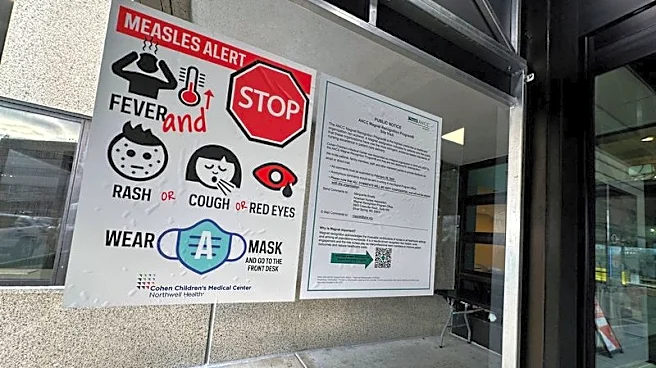
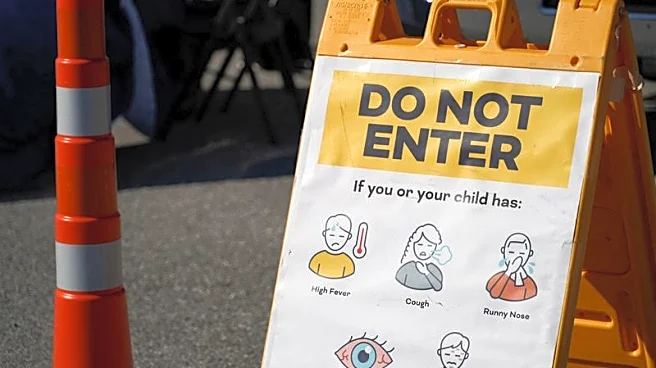
With measles cases exceeding 5,000 and the holiday season approaching, public health officials are likely to intensify efforts to promote vaccination and raise awareness about measles symptoms and prevention. There may be increased calls for individuals to ensure their vaccinations are up-to-date, especially for those planning to travel or attend large gatherings. Local health departments could implement enhanced surveillance measures to track new cases and identify potential clusters quickly. Depending on the trajectory of the outbreak, there could be discussions about stricter public health guidelines or recommendations to mitigate further spread, particularly in areas with lower vaccination rates. The focus will be on preventing a more widespread public health crisis during a period of high social interaction.
Beyond the Headlines
The significant rise in measles cases in the U.S. reflects a broader societal challenge related to vaccine hesitancy and the erosion of public trust in established health institutions. Beyond the immediate health crisis, this trend highlights the long-term consequences of misinformation and the politicization of public health initiatives. The re-emergence of a disease once considered largely eradicated in the U.S. signals a potential shift in public health paradigms, where vigilance against preventable diseases becomes paramount once again. This situation could prompt a re-evaluation of public health communication strategies, legal frameworks around mandatory vaccinations, and educational campaigns aimed at rebuilding community immunity and trust. The ethical considerations surrounding individual liberties versus collective health responsibilities are also brought to the forefront, potentially leading to renewed debates on public health policy.