




What's Happening?
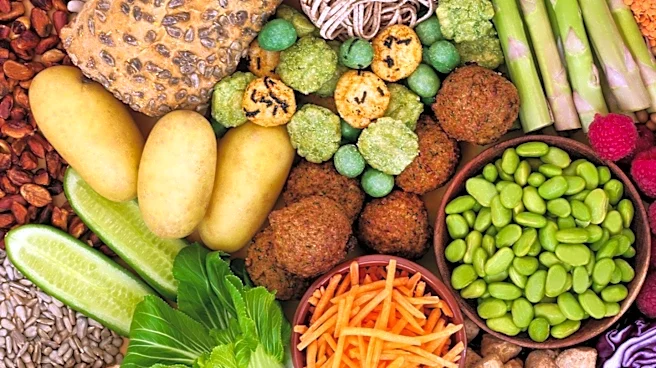
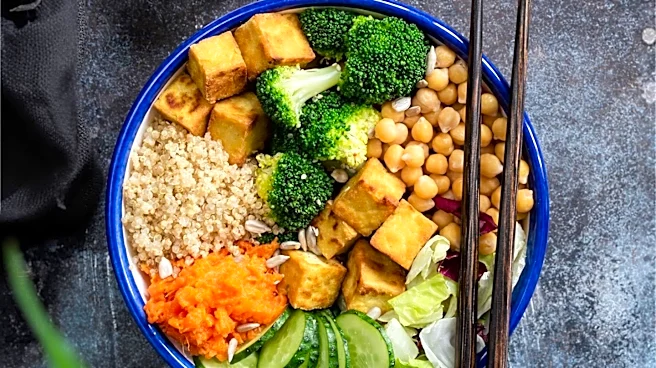
Researchers at Ludwig Princeton, led by Jenna AbuSalim and Joshua Rabinowitz, have conducted studies revealing how plant-based diets impact the gut microbiome. Their research, published in the Proceedings of the National Academy of Sciences and Nature
Metabolism, shows that plant fibers and proteins can reprogram microbial metabolism. This reprogramming boosts the production of beneficial metabolites while suppressing harmful ones. The studies highlight that indigestible proteins from plants, termed 'proteins imitating fiber' (Prif), play a crucial role in this process. These proteins, along with plant fibers, shift the balance of phenol metabolites from harmful types to beneficial ones. The research also indicates that mammalian metabolism can produce many important metabolites, challenging the belief that these are solely produced by gut bacteria.
Why It's Important?
The findings from these studies have significant implications for dietary recommendations and therapeutic interventions. Understanding how plant-based diets influence the gut microbiome can lead to better strategies for disease prevention and treatment. The research suggests that dietary interventions could be tailored to enhance the production of beneficial metabolites, potentially improving metabolic health and reducing the risk of diseases such as cancer and inflammatory disorders. This could lead to new dietary guidelines and the development of food products that promote gut health. Additionally, the discovery that mammalian metabolism contributes to metabolite production opens new avenues for therapeutic approaches beyond dietary changes.
What's Next?
Future research may focus on further exploring the role of Prif and other dietary components in shaping the gut microbiome. This could involve developing new food products or supplements that enhance the production of beneficial metabolites. Additionally, the findings could influence public health policies and nutritional guidelines, emphasizing the importance of plant-based diets for maintaining gut health. Researchers may also investigate the potential for using these insights to develop personalized nutrition plans that cater to individual metabolic needs and health conditions.
Beyond the Headlines
The research highlights the complex interplay between diet, the gut microbiome, and overall health. It underscores the potential for dietary interventions to not only prevent disease but also enhance therapeutic outcomes. The studies also raise questions about the ethical and environmental implications of promoting plant-based diets on a larger scale. As the understanding of the microbiome's role in health continues to evolve, it may lead to a shift in how society views food and nutrition, potentially influencing cultural attitudes towards diet and health.