







What's Happening?
The Michigan Department of Health and Human Services (MDHHS) has reported a significant increase in cyclosporiasis cases, with numbers more than tripling since June 30, 2026. As of July 4, 2026, the state has recorded 572 cases, up from 170. The outbreak
is primarily affecting southeast Michigan, with the highest case numbers in counties such as Monroe, Lenawee, Washtenaw, Wayne, Shiawassee, Jackson, Oakland, and Livingston. Cyclosporiasis is an intestinal illness caused by the Cyclospora parasite, typically contracted through contaminated food or water. Symptoms include severe diarrhea, which can lead to dehydration, especially in vulnerable populations such as the elderly and those with weakened immune systems. MDHHS is collaborating with local health departments and the Michigan Department of Agriculture and Rural Development to identify the source of the outbreak, though no specific produce or supplier has been pinpointed yet.
Why It's Important?
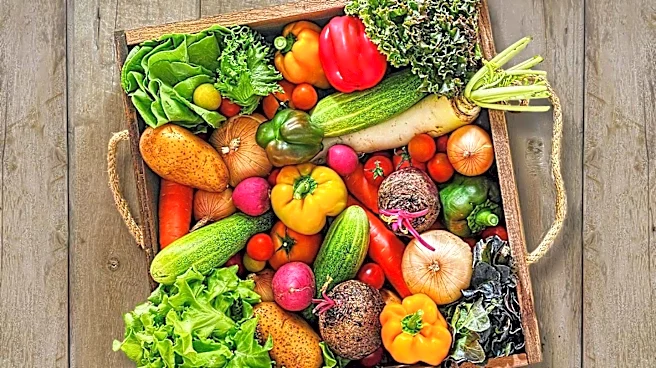
The surge in cyclosporiasis cases poses a public health challenge, particularly in southeast Michigan. The illness, while not usually life-threatening, can cause severe dehydration, impacting public health resources and potentially leading to hospitalizations. The outbreak underscores the importance of food safety practices, especially in handling fresh produce. Businesses and consumers are advised to take precautions such as washing produce thoroughly and cooking when possible to reduce the risk of infection. The economic impact could be significant if the outbreak affects consumer confidence in local produce, potentially harming local agriculture and food service industries. Additionally, the outbreak highlights the need for robust public health infrastructure to manage and contain such incidents effectively.
What's Next?
MDHHS will continue to work with local health departments and the Michigan Department of Agriculture and Rural Development to trace the source of the outbreak. Public health advisories may be updated as more information becomes available. Restaurants and food service providers in the affected areas are advised to enhance their food safety protocols, particularly concerning the handling of fresh produce. Consumers are encouraged to follow food safety guidelines at home, including washing produce under running water and cooking when possible. Health officials may also increase public awareness campaigns to educate the public on preventing cyclosporiasis and recognizing its symptoms.