


What's Happening?
California Governor Gavin Newsom has unveiled a $271 million incentive program aimed at boosting the adoption of zero-emission vehicles (ZEVs) in the state. The program offers a $3,500 instant rebate for residents purchasing or leasing their first new
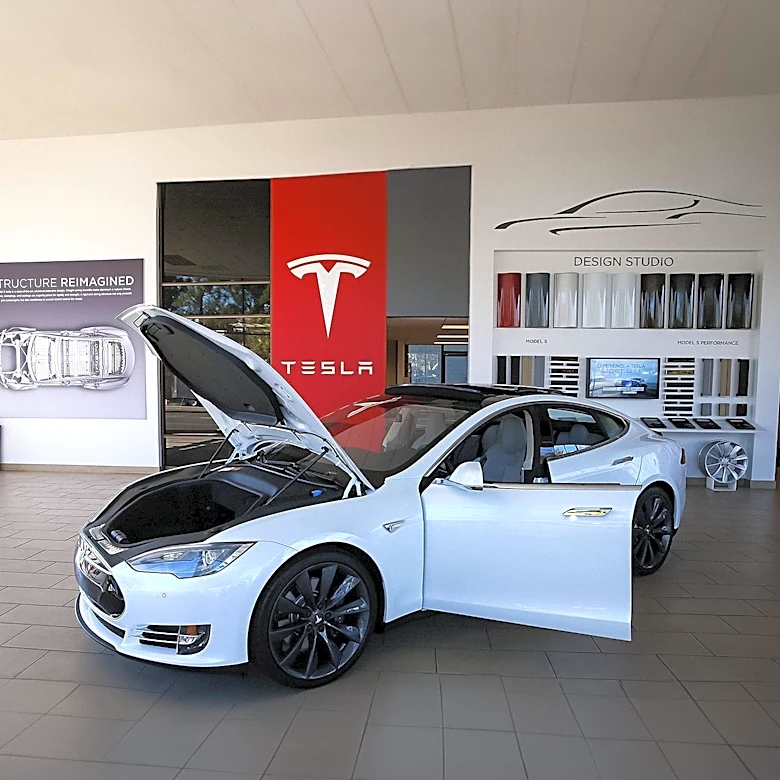
ZEV, while those opting for a used ZEV can receive a $1,750 rebate. The initiative, known as the MyFirstEV program, is designed to accelerate the deployment of ZEVs, strengthen the market, and support U.S. auto innovation. The program is funded by a $135.5 million state investment, matched by participating automakers, including Tesla, Hyundai, and Lucid. The program also includes a Manufacturer’s Suggested Retail Price cap of $50,000 for new vehicles and a $25,000 cap for used vehicles, with exemptions for California-based manufacturers producing only ZEVs.
Why It's Important?
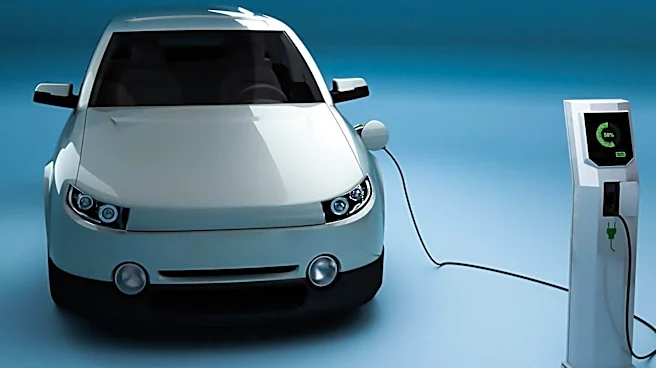
The MyFirstEV program represents a significant push by California to lead in the transition to cleaner transportation options. By offering substantial rebates, the state aims to make electric vehicles more accessible to a broader range of consumers, potentially reducing emissions and improving air quality. The program also supports the state's ambitious climate goals and positions California as a leader in the adoption of sustainable technologies. However, the initiative has sparked debate among economists, with some viewing it as a form of industrial policy that artificially inflates demand for electric vehicles. Critics argue that the program redistributes wealth to support a market that may not naturally align with consumer preferences.
What's Next?
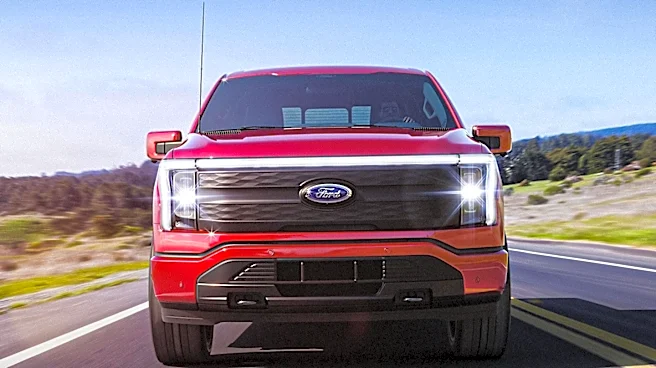
As the program rolls out, more automakers are expected to join, expanding the range of vehicles eligible for rebates. The California Air Resources Board will continue to oversee the program's implementation, ensuring compliance with the established price caps and exemptions. The success of the program could influence similar initiatives in other states, potentially driving nationwide adoption of electric vehicles. Stakeholders, including automakers and environmental groups, will likely monitor the program's impact on market dynamics and consumer behavior.