








What's Happening?
A new systematic review and meta-analysis published in the European Heart Journal indicates that consuming whole grains is associated with improvements in several cardiovascular disease risk factors. The research, which analyzed data from 87 randomized
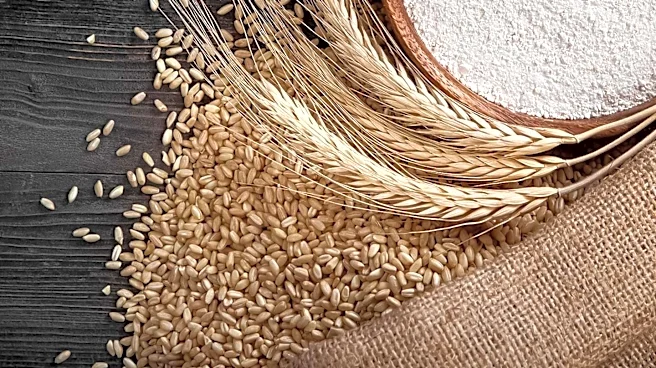
controlled trials involving over 6,500 participants, found that daily intake of approximately 60 to 100 grams of whole grains led to modest reductions in total cholesterol, LDL ('bad') cholesterol, and improvements in systolic blood pressure, fasting blood sugar, weight, and waist circumference. The study emphasizes replacing refined grains with whole grains rather than simply adding more carbohydrates to the diet. Examples of beneficial whole grains include oats, brown rice, bulgur, buckwheat, barley, and whole-grain bread with simple ingredient lists. The researchers also highlighted the importance of choosing less processed whole-grain options, noting the association between high consumption of ultra-processed foods and increased health risks.
Why It's Important?
This research is significant for public health initiatives in the U.S., where cardiovascular diseases remain a leading cause of mortality. The findings provide strong evidence supporting dietary recommendations that encourage whole grain consumption as a strategy to mitigate cardiovascular risk factors. For consumers, it clarifies that not all carbohydrates are detrimental and that strategic choices can lead to tangible health benefits. The emphasis on replacing refined grains with whole grains, rather than just increasing overall carbohydrate intake, offers a practical and actionable dietary change. This could influence food manufacturers to develop more accessible and appealing whole-grain products, and potentially lead to clearer labeling and public health campaigns promoting less processed whole grains. The study's robust methodology, analyzing numerous randomized controlled trials, strengthens the credibility of these dietary recommendations.
What's Next?
Following these findings, U.S. dietary guidelines and public health campaigns may further emphasize the benefits of whole grain consumption and the importance of choosing less processed forms. Consumers are likely to see an increased focus on whole grains in health-conscious marketing and product development. Food manufacturers might respond by innovating new whole-grain products or reformulating existing ones to meet the demand for healthier, less processed options. Nutritionists and healthcare providers may increasingly recommend gradual transitions to higher whole-grain diets, advising patients to replace refined grains with whole alternatives to avoid digestive discomfort. Continued research will likely focus on long-term health outcomes beyond risk factors, such as the direct impact on heart attacks, strokes, and mortality, to further solidify these dietary recommendations.
Beyond the Headlines
Beyond the immediate health implications, this study underscores a broader shift in nutritional science towards understanding the quality of food components rather than just their quantity. The distinction between whole, less processed grains and ultra-processed foods, even those containing some whole grains, highlights a critical nuance in dietary advice. This could lead to a re-evaluation of food labeling standards in the U.S., pushing for greater transparency regarding processing levels and added ingredients. Ethically, it raises questions about the responsibility of food companies to offer genuinely healthy options and the potential for misleading 'whole grain' claims on highly processed products. Culturally, it challenges the pervasive low-carb diet trends by demonstrating the significant health benefits of specific carbohydrate sources, potentially fostering a more balanced and informed public discourse on diet and health.