








What's Happening?
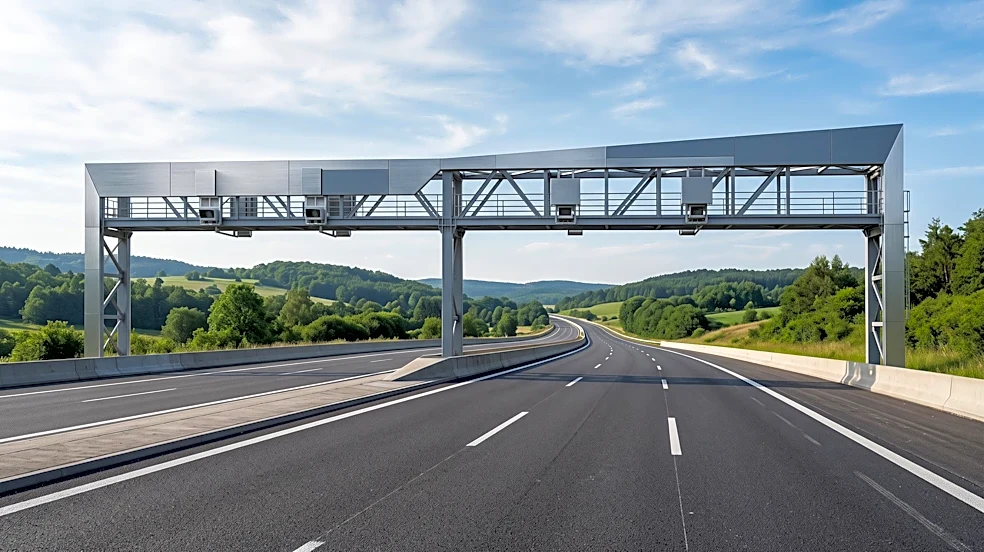
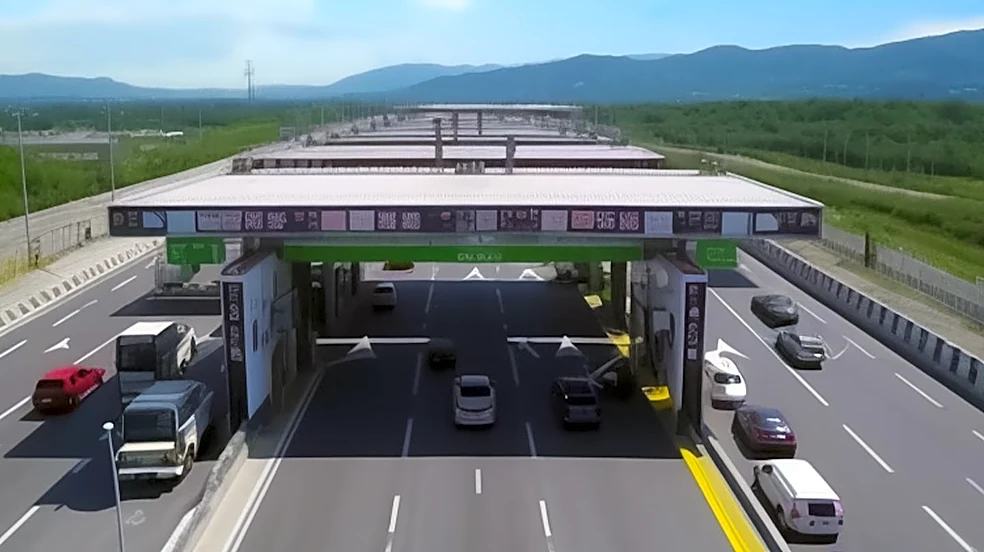
A proposed toll road extension on U.S. 290 through Manor and Elgin, Texas, is under consideration to address severe congestion and frequent crashes. The preliminary plan involves a 15-mile extension from SH 130 to SH 95 South, featuring tolled main lanes,
including elevated sections, and non-tolled frontage roads below. The project is approximately 60% complete in its planning phase, with final costs, toll rates, and funding plans yet to be determined. Manor's Mayor, Christopher Harvey, indicated that tolls would help repay construction bonds. The Mobility Authority reports approximately 2,700 crashes on this stretch of U.S. 290 between 2020 and 2025, resulting in 19 fatalities and 73 major injuries, underscoring the urgent need for improvements. Local businesses have expressed mixed feelings, acknowledging the necessity for change but also voicing concerns about potential short-term construction impacts and long-term effects on customer access.
Why It's Important?
This proposed toll road extension is critical for improving safety and mobility along the U.S. 290 corridor, a vital artery for commuters and freight traffic in Central Texas. The current levels of congestion and frequent accidents pose significant risks to drivers and impede economic activity in Manor and Elgin. For local businesses, while the long-term benefits of reduced traffic and improved accessibility are anticipated, there are immediate concerns about construction disruptions and potential changes in customer flow. The project's success could alleviate daily gridlock, reduce travel times, and enhance safety, thereby fostering regional economic growth. Conversely, if not managed carefully, construction could exacerbate existing traffic problems, and toll costs could impact local residents and businesses. The project represents a significant investment in infrastructure aimed at supporting the rapid growth of Central Texas, highlighting the ongoing challenge of balancing development with community impact.
What's Next?
The Mobility Authority is currently gathering public comments on the proposed U.S. 290 toll road extension, with the public comment period ending on October 30. Following this, engineering and environmental work will continue. A final decision on the project is anticipated in early 2028. During this period, stakeholders, including local residents and businesses, will likely continue to voice their concerns and suggestions regarding the project's design, potential impacts, and tolling structure. The Mobility Authority will need to address these concerns while finalizing the project's scope, funding, and implementation timeline. Construction, if approved, would likely bring temporary disruptions to traffic and local businesses, requiring careful planning and communication to mitigate negative effects. The long-term success will depend on effective project management and community engagement throughout the development and operational phases.
Beyond the Headlines
The U.S. 290 toll road extension project reflects a broader national trend of utilizing tolling as a mechanism to fund critical infrastructure improvements in rapidly growing regions. This approach often sparks debate regarding affordability, equitable access, and the balance between user fees and public funding. The mixed reactions from local businesses highlight the complex interplay between infrastructure development and local economies; while improved transportation can boost commerce, construction and new traffic patterns can also displace or disadvantage existing establishments. Furthermore, the project underscores the increasing strain on existing infrastructure due to population growth and the need for innovative solutions to manage traffic congestion and enhance safety. The decision-making process will likely involve navigating diverse community interests, environmental considerations, and financial feasibility, setting a precedent for future infrastructure projects in similar high-growth areas across the U.S.