



What's Happening?
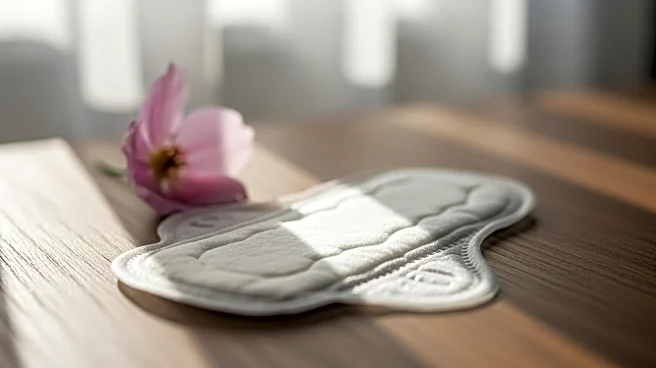
Pakistan continues to impose a 40% luxury tax on menstrual products, treating them as non-essential items. This has sparked criticism and calls for change, as highlighted by a 2025 UNICEF report that notes the absence of a national policy for menstrual health
and hygiene in the country. Bushra Mahnoor, executive director at Mahwari Justice, a nonprofit advocating for menstrual health, has been actively campaigning for the reclassification of menstrual products as essential goods. Despite gathering over 10,000 signatures for a petition and filing a lawsuit, the political and judicial instability in Pakistan has delayed any court hearings on the matter.
Why It's Important?
The high tax on menstrual products in Pakistan underscores broader issues of gender inequality and access to essential health products. This policy affects women's health and education, as many may not afford these necessary items, leading to potential health risks and absenteeism from school. The situation contrasts with India's decision to abolish the menstrual tax in 2018, which improved affordability and access. Addressing this issue in Pakistan could lead to significant improvements in women's health and empowerment, aligning with global efforts to promote gender equality and health rights.
What's Next?
The ongoing advocacy efforts by organizations like Mahwari Justice may continue to pressure the Pakistani government to reconsider its stance on menstrual product taxation. If successful, reclassifying these products as essential goods could lead to policy changes that improve access and affordability. The outcome of the lawsuit and public campaigns will be crucial in determining the next steps. International attention and support could also play a role in influencing policy changes in Pakistan.