






What's Happening?
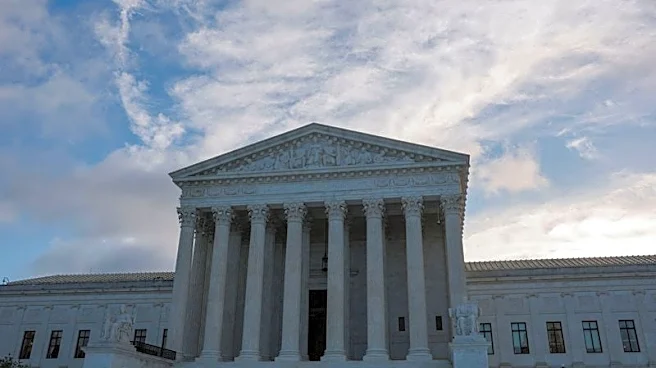
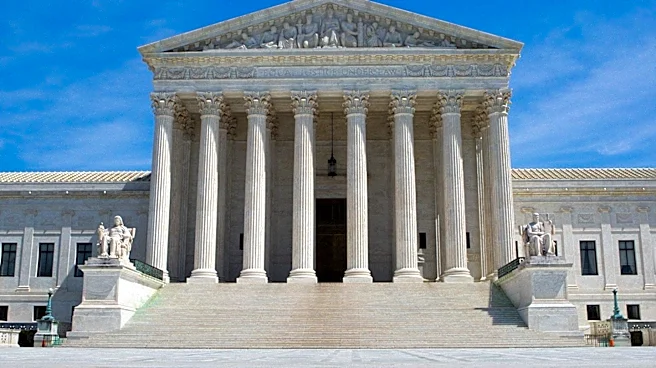
The U.S. Supreme Court is currently reviewing the Video Privacy Protection Act of 1988, a law originally enacted to safeguard the privacy of video rental histories. This re-evaluation comes nearly four decades after its creation, as the court grapples
with how the statute applies to modern digital commerce and online video viewing. The law was initially passed in response to a journalist publishing details of Supreme Court nominee Robert Bork’s movie rental history. Consumer advocates argue the law was broadly written to adapt to technological advancements and protect personal information, while critics contend it is an outdated relic being exploited by plaintiffs' lawyers. The current case involves Michael Salazar, who alleges Paramount Global violated the law by sharing his video-watching history from its 247Sports.com website with Facebook without his consent, enabling targeted advertising. Justice Elena Kagan highlighted that companies can easily obtain consent or cease selling private information, while Paramount's lawyer, Paul Clement, suggested that putting content behind a paywall could be an alternative. The core issue revolves around defining a 'consumer' under the law, with lower courts having split interpretations.
Why It's Important?
This Supreme Court review holds significant implications for U.S. industries, particularly those involved in digital media, advertising, and data privacy. A ruling could redefine how companies handle user data and impact the profitability of targeted online advertising, a vital revenue source for many digital platforms. If the court adopts a broad interpretation of the Video Privacy Protection Act, companies like Paramount Global might face increased scrutiny and potential legal challenges for sharing user viewing data without explicit consent. This could lead to a shift in business models, potentially forcing companies to invest more in obtaining user consent or developing alternative advertising strategies. Conversely, a narrow interpretation could limit consumer protections, allowing companies more leeway in data sharing and potentially diminishing individual privacy in the digital realm. The outcome will also clarify the extent to which older privacy laws can be applied to rapidly evolving technological landscapes, setting a precedent for future legal challenges concerning data privacy in the internet age. The decision will affect both consumers, who stand to gain or lose privacy protections, and businesses, which could face new compliance burdens or opportunities.
What's Next?
The Supreme Court will issue a ruling on the interpretation of the Video Privacy Protection Act, which will clarify the extent of its applicability to modern digital platforms and online video content. This decision will resolve the existing split among lower courts regarding the definition of a 'consumer' under the law. Depending on the ruling, major stakeholders, including digital media companies, advertising firms, and consumer advocacy groups, will likely react. If the court favors a broad interpretation, companies may need to revise their data collection and sharing practices, potentially implementing more robust consent mechanisms or altering their targeted advertising strategies. This could lead to new industry standards for data privacy. Conversely, a narrow interpretation might embolden companies to continue current practices, potentially leading to further legislative efforts to update privacy laws for the digital age. The outcome will also influence future litigation concerning data privacy and the balance between corporate data utilization and individual consumer rights.
Beyond the Headlines
The Supreme Court's re-examination of the Video Privacy Protection Act delves into deeper ethical and legal dimensions concerning privacy in the digital age. The case highlights the tension between established legal frameworks, designed for a pre-internet era, and the realities of contemporary data-driven commerce. It raises fundamental questions about the ownership and control of personal data, particularly in an environment where user information is a valuable commodity for targeted advertising. The outcome could trigger a long-term shift in how society views and legislates digital privacy, potentially influencing future legislative efforts to create more comprehensive data protection laws. The debate also touches upon the balance between corporate innovation and individual rights, as companies argue for the economic necessity of data utilization while consumer advocates emphasize the importance of personal autonomy and protection from unwanted data sharing. This case could set a precedent for how legal systems adapt to rapid technological change, shaping the future of digital rights and responsibilities for both individuals and corporations.