







What's Happening?
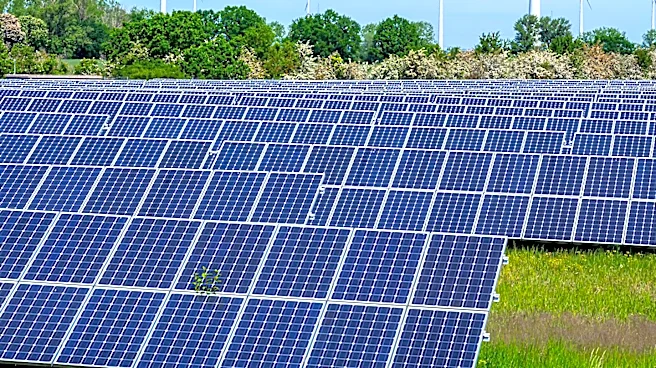
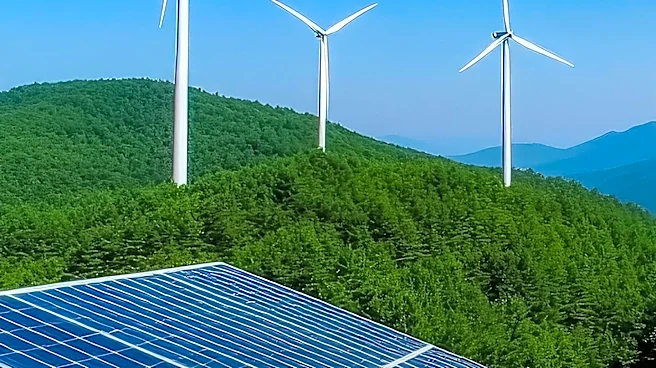
Utilities in New York, including Con Edison, National Grid, and Avangrid-owned Rochester Gas and Electric and New York State Electric and Gas, are advocating for a change in state regulations that would allow them to own and develop power generation assets,
specifically solar and wind farms. This move comes after the state mandated in the 1990s that utilities divest their power plants to foster competition. The utilities argue that this reform is crucial for reliably and affordably meeting New York's growing energy demands and achieving its clean energy goals. They contend that independent power companies have not met state targets due to financial pressures and supply chain issues. The Public Service Commission is currently reviewing this proposed change as it evaluates strategies to increase clean and renewable energy generation within the state. This discussion is not unique to New York, with similar pushes being made by utilities in other states like Pennsylvania, Ohio, New Jersey, and Illinois.
Why It's Important?
This proposed regulatory change holds significant implications for New York's energy market and its ambitious climate objectives. If approved, it could fundamentally alter the landscape of renewable energy development by allowing large utilities to directly invest in and operate solar and wind facilities. Proponents argue this would introduce greater oversight, enhance market transparency, and potentially lead to more renewable energy and lower, fairer prices for consumers. However, critics, such as the Independent Power Producers of New York, express concerns that utility ownership could lead to delays in project development and potentially higher costs for New Yorkers, as utilities might pass on risks to the public. The debate centers on who is best positioned to bear the financial risks and ensure efficient, cost-effective development of the necessary infrastructure to transition to a clean energy economy.
What's Next?
The New York Public Service Commission is currently weighing the proposed change, though no specific timetable for a decision has been set. Major stakeholders, including utilities and independent power producers, are actively lobbying and presenting their cases. The Independent Power Producers of New York have launched a significant campaign to oppose the change, arguing it would be detrimental to the state's energy future. The outcome of this decision will likely influence the pace and structure of renewable energy development in New York. If the change is approved, it could lead to increased utility investment in renewable projects, potentially accelerating the state's clean energy transition. Conversely, if denied, the state will need to explore alternative strategies to overcome the perceived shortcomings of independent power producers in meeting energy targets.
Beyond the Headlines
The debate over utility ownership of generation assets touches upon fundamental questions of market structure, risk allocation, and the role of public versus private entities in achieving societal goals like climate change mitigation. Historically, the move to divest utility-owned generation was aimed at promoting competition and innovation. Reversing this trend could signal a shift in regulatory philosophy, prioritizing reliability and direct control over market-driven competition in the pursuit of clean energy. This could set a precedent for other states facing similar challenges in scaling up renewable energy infrastructure. The core tension lies between the potential for utilities to leverage their financial stability and infrastructure for large-scale projects versus concerns about monopolistic practices and the potential for consumers to bear the financial risks of such ventures.