





What's Happening?
The African Development Bank (AfDB) has issued a warning regarding the potential economic impact of an unusually strong El Niño weather event on Africa. This natural climate pattern, characterized by unusually warm waters in the equatorial Pacific Ocean,
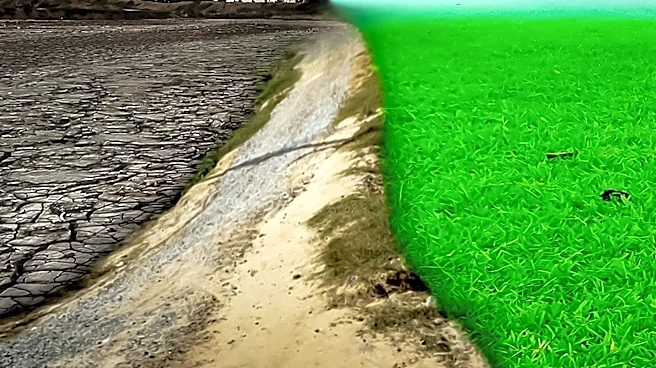
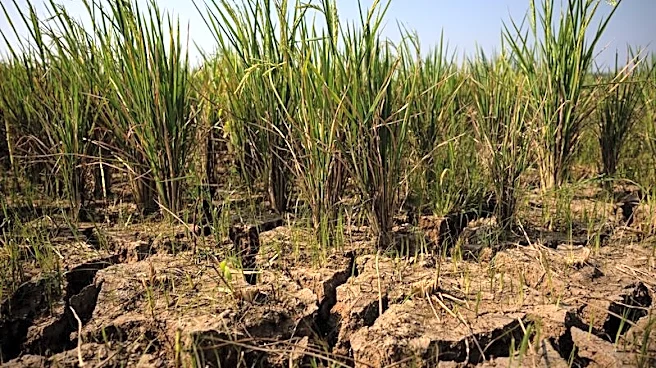
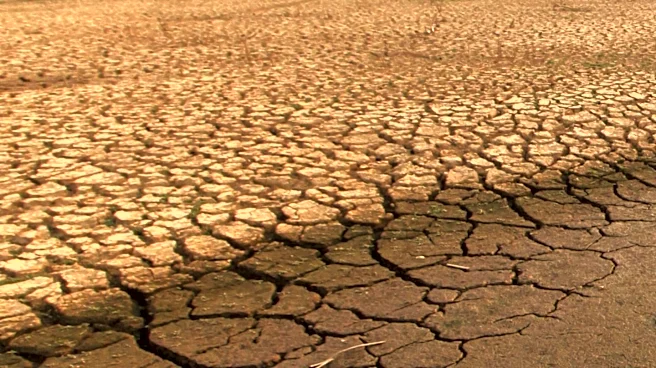
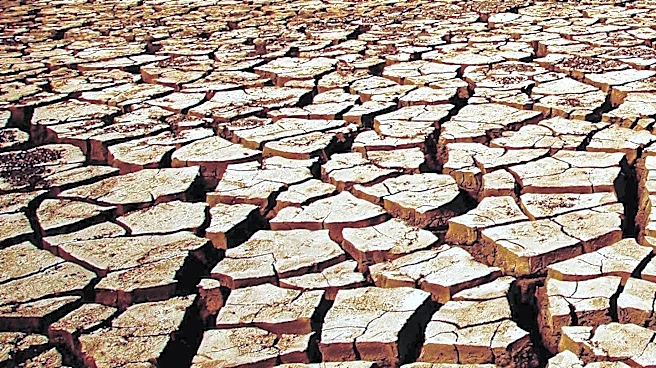
is expected to disrupt global weather systems, leading to severe droughts in Southern Africa and heavy rains in East Africa. The AfDB estimates that the economic fallout could result in a loss of $10 billion to $20 billion across the continent, affecting agriculture, infrastructure, and economic growth. The World Meteorological Organization (WMO) has noted that the current El Niño is strengthening rapidly and could peak between late 2026 and early 2027. This development poses a significant threat to Africa's economic recovery, which was projected to grow by 4.2% in 2026 and 4.4% in 2027.
Why It's Important?
The potential economic impact of the El Niño event is significant for Africa, a continent already grappling with the effects of climate change. The disruption to agriculture, a critical sector for many African economies, could lead to reduced harvests, increased food prices, and heightened food insecurity. Additionally, the strain on infrastructure and government finances could hinder long-term development and exacerbate existing fiscal pressures. The AfDB's warning highlights the vulnerability of African economies to climate-related shocks, which could undermine growth and development efforts. The situation underscores the need for effective climate adaptation strategies and international support to mitigate the adverse effects of such weather events.
What's Next?
Governments across Africa are urged to utilize seasonal forecasts and early warning systems to prepare for the anticipated extreme weather conditions. The WMO has emphasized the importance of readiness for potential heatwaves, droughts, floods, and other climate-related challenges. Policymakers may need to prioritize climate resilience and disaster preparedness to minimize the economic and social impacts of the El Niño event. The AfDB's warning serves as a call to action for African nations to strengthen their climate adaptation measures and seek international cooperation to address the challenges posed by climate change.