



What's Happening?
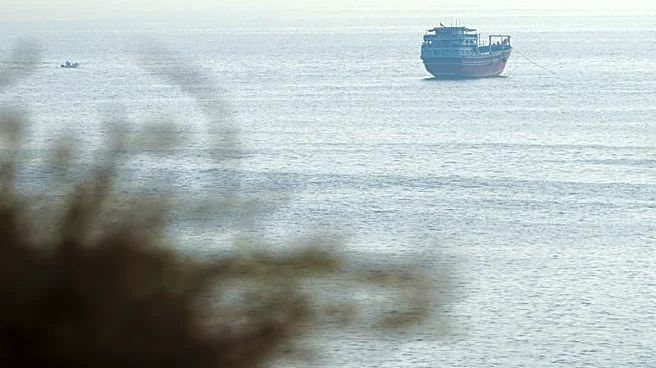
Ukraine is facing significant challenges in restoring its agricultural exports due to Russia's intensified attacks on ports and civilian vessels, effectively blocking the Black Sea shipping corridor. Foreign Minister Andrii Sybiha has called on allies
to increase pressure on Moscow to unblock maritime exports, highlighting the threat to global food security. The blockade has resulted in a $2.5 billion loss in export income and a 0.9% reduction in Ukraine's economy for 2026. Ukraine has activated the EU's Solidarity Lanes initiative and is consulting with neighboring countries to expand alternative export routes.
Why It's Important?
The blockade of the Black Sea shipping corridor has severe implications for global food security, as Ukraine is a major exporter of grain. The disruption has led to increased global food prices, particularly affecting regions like Africa and Asia that rely heavily on Ukrainian grain. The economic impact on Ukraine is also significant, with a substantial loss in export income and a negative effect on the country's GDP. The situation underscores the geopolitical tensions in the region and the broader implications for international trade and food supply chains.
What's Next?
Ukraine is actively seeking to expand alternative export routes through consultations with neighboring countries such as Moldova, Romania, Slovakia, Hungary, and Poland. The success of these efforts will depend on the cooperation of these countries and the ability to develop the necessary infrastructure to facilitate grain transit. Additionally, the international community's response to Russia's actions will be crucial in determining the future of Ukraine's agricultural exports and the stability of global food markets.