



What's Happening?
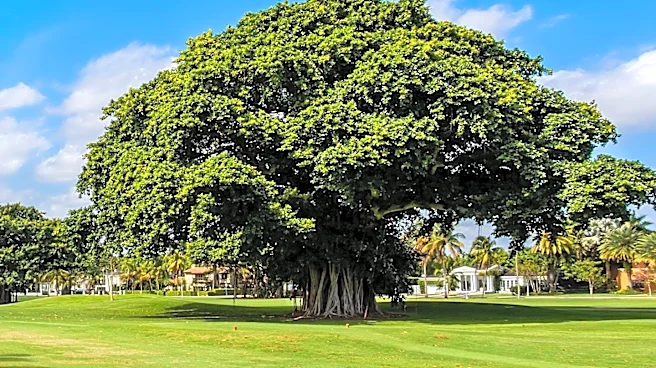
A jury trial has been scheduled for September in the wrongful death lawsuit filed on behalf of Michelle Katrina Noelani Comer, 48, and Trisha Jaye Almazan, 35, who were killed last year when a massive banyan tree uprooted and collapsed in Hilo. The incident
occurred on July 12, 2025, when the tree fell in a state-owned parking lot near Wailoa Pond, trapping and crushing the two women. Their bodies were discovered eight days later after reports of a foul odor. Autopsies determined the cause of death for both was mechanical asphyxiation, ruled an accident. The lawsuit, filed by the Honolulu law firm Leavitt, Yamane & Soldner, names the state, county, Hawaii Electric, Hawaiian Telcom, and Imua Landscaping and Tree Works as defendants. It seeks monetary damages, alleging negligence and gross negligence due to the defendants' failure to properly maintain the tree.
Why It's Important?
This lawsuit highlights critical issues of public safety, infrastructure maintenance, and accountability for government entities and utility companies. The tragic deaths of Comer and Almazan underscore the potential dangers posed by inadequately maintained public spaces and natural elements. The legal action seeks to establish responsibility among multiple parties, including state and county governments, and private utility companies, for the inspection and upkeep of public trees and surrounding infrastructure. The outcome of this trial could set precedents for how such entities are held liable for similar incidents in the future, potentially leading to stricter regulations and more diligent maintenance practices for public safety. The families' ongoing suffering from emotional distress and grief further emphasizes the profound human cost of such alleged negligence.
What's Next?
The scheduling of a jury trial for September indicates the case will proceed to a full legal hearing where evidence will be presented by both the plaintiffs and the defendants. The lawsuit alleges that the defendants failed in their duties to inspect and maintain the recreation area, adjacent state land, and the banyan tree itself, thereby failing to keep the public safe or warn of potential dangers. The litigation also claims that the county, Hawaiian Electric, and Hawaiian Telcom had a 'joint pole agreement' that included routine tree trimming responsibilities. The trial will determine whether these entities were indeed negligent and if their actions or inactions directly led to the deaths of the two women. The verdict could result in significant monetary damages and potentially influence future maintenance policies for public trees and utility infrastructure.
Beyond the Headlines
This case delves into the complex legal landscape of shared responsibility for public safety, particularly concerning natural elements like large trees that can pose significant hazards if not properly managed. The fact that the banyan tree was designated an 'exceptional tree' by the county in 1999 adds another layer of complexity, as such designations often imply a higher level of care and preservation. The lawsuit's allegations of 'callous disregard and/or callous indifference' suggest a systemic failure in oversight and maintenance, which could prompt broader reviews of how municipalities and utility providers manage environmental risks in public areas. The outcome may not only provide justice for the victims' families but also serve as a catalyst for improved inter-agency coordination and more rigorous safety standards to prevent similar tragedies in the future, potentially impacting urban planning and environmental management policies nationwide.