


What's Happening?
A proposed tax initiative in California, known as the 2026 Billionaire Tax Act, has created significant divisions among Democrats in the state. The measure aims to impose a one-time 5% tax on individuals with a net worth exceeding $1.1 billion, with the revenue
primarily allocated to healthcare. Governor Gavin Newsom and several Democratic gubernatorial candidates oppose the initiative, citing concerns about potential negative impacts on the state's economy and the possible exodus of wealthy individuals. In contrast, supporters like Rep. Ro Khanna and billionaire Tom Steyer argue that the tax is necessary to address income inequality and fund essential services. The proposal requires 875,000 signatures by April to qualify for the November ballot.
Why It's Important?
The debate over the billionaire tax highlights broader tensions within the Democratic Party regarding economic policy and wealth distribution. The outcome of this initiative could influence the party's platform in upcoming elections, particularly as Democrats seek to balance progressive and centrist priorities. The proposal's success or failure may also impact California's economic landscape, potentially affecting the state's ability to attract and retain wealthy residents and businesses. Additionally, the initiative reflects a growing national conversation about wealth taxes, with similar discussions occurring in other states like New York and Washington.
What's Next?
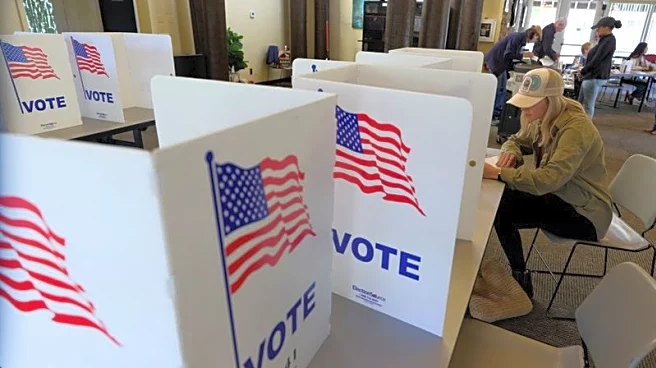
If the initiative gathers enough signatures, it will appear on the November ballot, allowing California voters to decide its fate. The outcome could set a precedent for similar measures in other states and influence national Democratic strategies ahead of the 2028 presidential election. Stakeholders, including political leaders, business groups, and advocacy organizations, are likely to intensify their campaigns for or against the measure as the election approaches.
Beyond the Headlines
The proposed tax raises questions about the long-term sustainability of California's fiscal policies and the potential consequences of relying on wealth taxes to fund public services. Critics argue that such taxes could drive away high-net-worth individuals, leading to reduced tax revenues and economic challenges. Conversely, proponents believe the tax could help address systemic inequalities and provide much-needed funding for healthcare and social programs. The debate also touches on ethical considerations regarding the responsibilities of the wealthy in contributing to societal welfare.