








What's Happening?
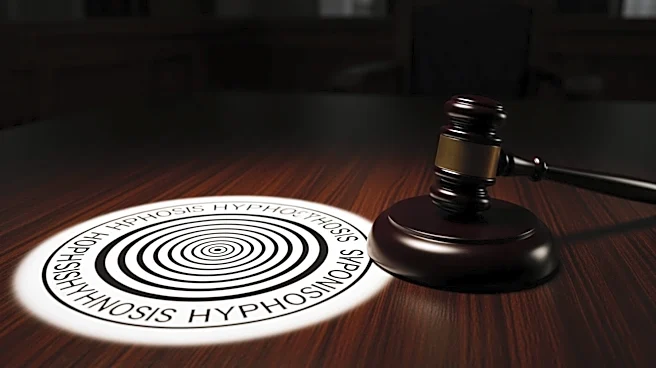
Magicians Penn & Teller have filed a brief with the Supreme Court, criticizing the use of 'investigative hypnosis' in the conviction of Charles Flores, a Texas man sentenced to death for a 1998 murder. The case involves a witness who initially failed
to identify Flores in a lineup but later testified with certainty after undergoing hypnosis. Flores' lawyers argue that this technique, which they label as 'junk science,' tainted the trial. Despite previous appeals being declined by the Supreme Court, Penn & Teller, along with psychology experts, are highlighting how such methods can manipulate memory, drawing parallels to cognitive tricks used in magic. The court is currently considering whether to hear Flores' latest appeal.
Why It's Important?
This case underscores significant concerns about the reliability of eyewitness testimony, especially when influenced by controversial methods like investigative hypnosis. The involvement of Penn & Teller brings public attention to the potential misuse of psychological techniques in legal settings. If the Supreme Court decides to hear the case, it could lead to a reevaluation of how such evidence is used in court, potentially impacting future cases involving similar methods. The outcome could affect the integrity of the justice system, particularly in capital punishment cases, where the stakes are life and death.
What's Next?
The Supreme Court is expected to decide soon whether to hear Flores' appeal. If they choose to proceed, it could open the door for broader discussions on the admissibility of hypnosis-influenced testimony. Legal experts and civil rights advocates may push for stricter guidelines or the exclusion of such evidence in trials. The decision could also influence legislative actions in states like Texas, where laws regarding the use of discredited science in convictions are already under scrutiny.