
What's Happening?
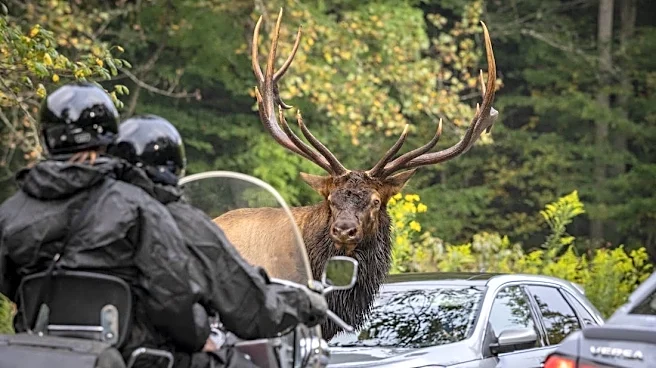
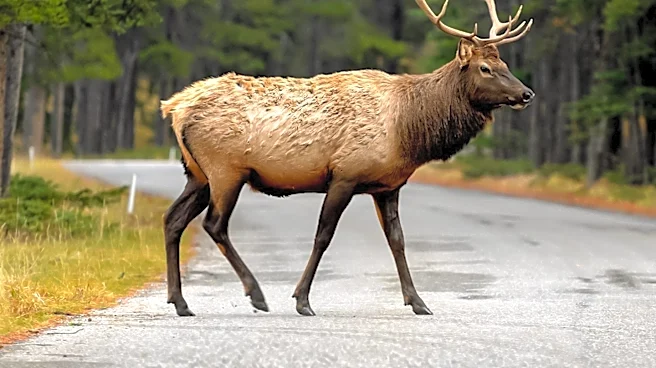
A 700-pound bull elk, known as 'Smash,' has been repeatedly charging trucks and golf carts in Estes Park, Colorado, during the current rut season. One incident involved Smash lowering his antlers and striking
the bedside panel of a Chevrolet Silverado. The driver quickly accelerated, and a following BMW made an immediate U-turn to avoid confrontation. This behavior is not isolated to Smash; Carrie Belt of Estes Valley Collision reported to 9NEWS that her shop has observed more elk running into vehicles this year than in previous years. While the exact reasons are not definitively known, local observations suggest elk might charge vehicles if they see their reflection or perceive a threat to their herd. Wildlife photographer Monica Breckenridge has also filmed Smash chasing cars and golf carts this season, and OutKick reported similar incidents last year. Colorado Parks and Wildlife advises visitors to maintain a distance of at least 75 feet from elk and to seek shelter in a vehicle or behind a sturdy barrier if an elk charges.
Why It's Important?
The aggressive behavior of elk, particularly during the rut season, poses significant safety risks to residents and tourists in areas like Estes Park, a gateway to Rocky Mountain National Park. The increased frequency of elk-vehicle collisions, as noted by local businesses, can lead to substantial property damage and potential injuries to people. This situation highlights the challenges of human-wildlife coexistence in regions where urban development encroaches on natural habitats. The heightened testosterone levels in bull elk during the rut make them more defensive and prone to challenging perceived threats, including vehicles. This underscores the need for public awareness campaigns and strict adherence to wildlife viewing guidelines to prevent dangerous encounters and protect both humans and animals. The economic impact on local businesses, such as auto repair shops, also becomes a factor as they deal with the aftermath of these incidents.
What's Next?
The rut season, which typically peaks from mid-September to mid-October and can extend into November, means that more aggressive elk encounters are likely before the season concludes. Rocky Mountain National Park's annual meadow closures, which restrict visitor access to five meadow areas from 5 p.m. to 10 a.m., will remain in effect through October 31 to mitigate human-wildlife interactions. Colorado Parks and Wildlife will continue to urge visitors to maintain a safe distance of at least 75 feet from elk and to be vigilant for signs of aggression. Park guidance emphasizes that if an elk changes its behavior due to human presence, individuals are already too close. The ongoing advice for golfers, drivers, and photographers is to give elk ample space and allow the animals to move on their own, rather than attempting to approach or provoke them. Further public education and enforcement of wildlife interaction rules may be necessary to ensure safety.
Beyond the Headlines
The recurring incidents with elk like 'Smash' in Estes Park point to a broader ecological and behavioral dynamic influenced by human presence. While local observations suggest reflections or perceived threats to herds as triggers, the underlying causes of increased aggression in elk towards vehicles warrant further scientific investigation by wildlife biologists. This situation also raises questions about the long-term impact of human development and tourism on wildlife behavior and migration patterns. The desensitization of wildlife to human activity, coupled with the seasonal hormonal changes in animals, creates a complex management challenge. Understanding these interactions is crucial for developing sustainable coexistence strategies that protect both the public and the natural ecosystem. The ethical considerations of wildlife photography and tourism, particularly when they involve approaching animals too closely, are also brought to the forefront, emphasizing the need for responsible wildlife viewing practices.