


What's Happening?
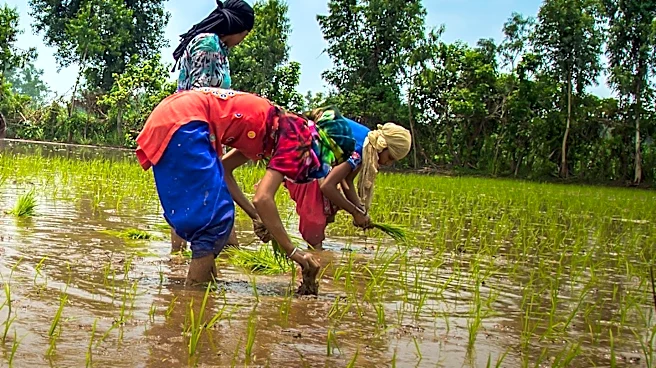
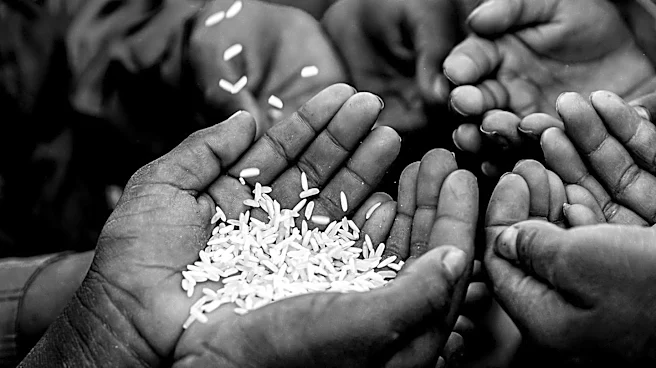
The World Food Programme (WFP) is intensifying its efforts in Balochistan, Pakistan, to address persistent food security and nutrition challenges. The organization has been active in the region, particularly in the Lasbela district, which faces severe
malnutrition issues. WFP's initiatives include the establishment of Women Empowerment through Livelihood and Enterprise Development (WE-LED) centers and NutriHubs, which aim to create sustainable, women-led nutrition-sensitive livelihoods. These efforts are part of a broader strategy to transform these centers into durable district-level food system assets. The program also focuses on building resilience at the community level by restoring and creating critical infrastructure to protect lives and livelihoods. The WFP emphasizes a diverse and inclusive workforce, committed to equal employment opportunities, and is actively recruiting for positions to support these initiatives.
Why It's Important?
The expansion of WFP's initiatives in Balochistan is crucial for addressing the region's chronic food insecurity and malnutrition. By focusing on women-led initiatives, the program not only aims to improve nutrition but also empowers women economically, which can have a transformative impact on local communities. The strategic focus on creating durable food systems and community resilience is essential for long-term sustainability. These efforts are particularly significant in a region where access to nutritious food is limited due to seasonal availability and economic constraints. The program's success could serve as a model for similar initiatives in other regions facing comparable challenges.
What's Next?
WFP plans to continue its strategic consolidation phase, which involves transforming existing community platforms into robust food system assets. This includes further training of Community Resource Persons and enhancing community infrastructure. The organization is also focused on recruiting skilled individuals to support these efforts, ensuring that the initiatives are well-implemented and sustainable. As these programs develop, they are expected to attract attention from other humanitarian organizations and government bodies, potentially leading to increased collaboration and funding opportunities.
Beyond the Headlines
The WFP's initiatives in Balochistan highlight the importance of integrating gender empowerment with food security strategies. By focusing on women-led projects, the program not only addresses immediate nutritional needs but also promotes gender equality and economic empowerment. This approach can lead to broader social changes, including improved health outcomes and increased educational opportunities for children. Additionally, the emphasis on community-driven solutions ensures that the initiatives are culturally appropriate and more likely to be accepted and sustained by local populations.