
What's Happening?
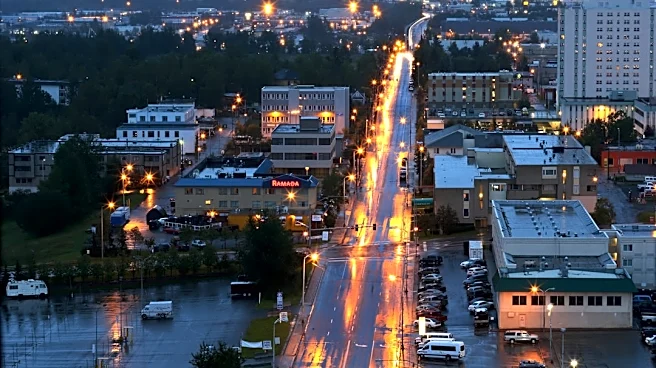
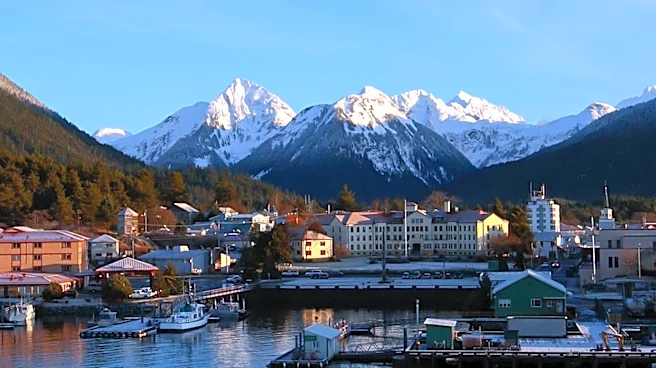
Juneau, Alaska, is currently experiencing an uncharacteristically dry September, with annual precipitation levels significantly below normal. Meteorologist Brian Bezenek provided details on the weather
outlook for the week of September 14, confirming the ongoing dry conditions. This trend is notable given Juneau's typical climate, which usually sees substantial rainfall. The National Weather Service (NWS) Juneau is monitoring the situation and providing updates to the public. Residents interested in contributing to weather observation efforts can join the Community Collaborative Rain, Hail and Snow Network (CoCoRaHS).
Why It's Important?
Prolonged dry spells in regions accustomed to high precipitation can have several significant impacts. Environmentally, reduced rainfall can lead to increased fire risk, stress on local ecosystems, and potential impacts on water resources, which are crucial for both human consumption and hydroelectric power generation. Economically, sectors dependent on water, such as fishing and tourism, could face challenges. For residents, a drier-than-normal period might necessitate changes in water usage habits and increased awareness of fire safety. The deviation from typical weather patterns also highlights broader climate trends and the importance of continuous meteorological monitoring and public engagement in data collection, such as through CoCoRaHS.
What's Next?
The National Weather Service in Juneau will continue to monitor precipitation levels and provide updated forecasts. Residents should stay informed about local weather advisories and any potential implications of the dry conditions, such as fire danger warnings. There may be calls for water conservation if the dry spell persists and impacts water reserves. The ongoing data collection by NWS Juneau and community observers through CoCoRaHS will be crucial for understanding the long-term implications of these weather patterns. The focus will be on whether precipitation levels return to normal in the coming months and how this dry period might affect the region's water supply and natural environment.
Beyond the Headlines
The unusual dryness in Juneau could be an indicator of broader climate shifts affecting the region. While a single dry September doesn't definitively prove long-term climate change, it contributes to a growing body of evidence suggesting altered weather patterns. This situation prompts deeper discussions about climate resilience, water management strategies, and the adaptability of local communities and industries. It also underscores the value of citizen science initiatives like CoCoRaHS, which empower individuals to contribute to scientific data collection, enhancing the accuracy of climate models and local forecasts. Understanding and adapting to these changing conditions will be critical for Juneau's future planning and resource management.