



What's Happening?
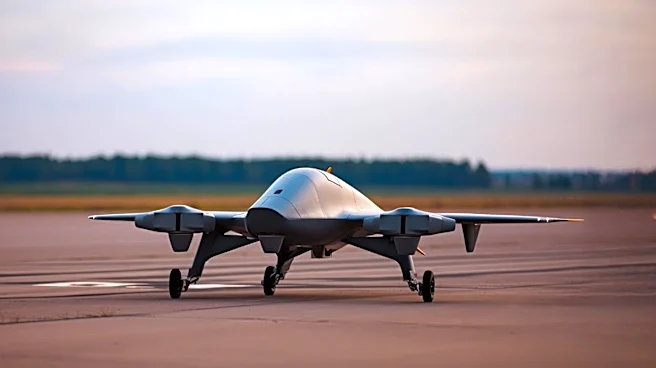
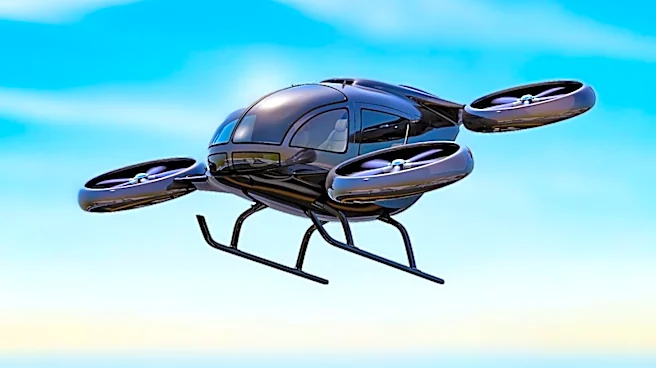
A NASA-funded project, led by Embry-Riddle Aeronautical University, is making significant progress in enhancing safety for advanced air mobility (AAM) aircraft, including air taxis and medical emergency drones. The initiative, now in its second year of
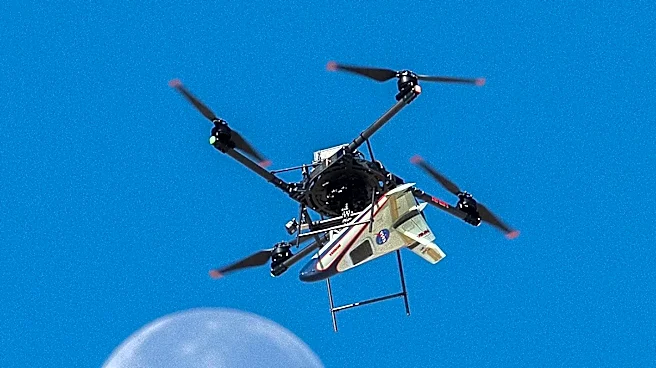
a four-year timeline, focuses on developing systems that enable AAM aircraft to detect unexpected events and emergencies and respond safely in real-time. Dr. Hever Moncayo, professor of Aerospace Engineering and principal investigator, highlighted the successful integration of various components designed to monitor aircraft operation and safety. Researchers are evaluating these components through simulations and flight testing using experimental platforms like a small Crazyflie drone and vertical takeoff and landing vehicles. The project, which received a $6.7 million NASA University Leadership Initiative grant, involves collaboration among Embry-Riddle, Georgia Tech, the University of Southern California, the University of Texas at Arlington, Collins Aerospace, the Army Research Lab, and Argonne National Laboratory.
Why It's Important?
This project is crucial for the future of advanced air mobility in the U.S., as it directly addresses safety concerns that are paramount for public acceptance and regulatory approval of air taxis and medical drones. By developing real-time emergency response capabilities, the research aims to mitigate risks associated with autonomous or semi-autonomous flight, potentially accelerating the integration of these technologies into national airspace. The involvement of multiple academic institutions and industry partners fosters a collaborative environment, pooling expertise to tackle complex engineering challenges. Furthermore, the project provides invaluable hands-on experience for students, preparing the next generation of aerospace engineers and researchers to contribute to this emerging sector. The successful implementation of these safety enhancements could unlock significant economic opportunities and improve critical services, such as emergency medical transport, across the nation.
What's Next?
The project is entering its second year with a continued focus on integrating and testing the developed safety components. Researchers will proceed with further simulations and flight tests using their experimental platforms to refine the system's ability to detect and classify problems in real-time operation and ensure safe responses. The ongoing collaboration among the participating universities and industry partners will be key to advancing the project's goals. The insights gained from these evaluations will inform the development of robust safety protocols and technologies for AAM aircraft. The ultimate goal is to create a reliable framework that can be adopted by manufacturers and regulatory bodies, paving the way for the widespread and safe deployment of air taxis and medical drones in the coming years.
Beyond the Headlines
Beyond the immediate technical advancements, this NASA-backed initiative has broader implications for the U.S. aerospace industry and workforce development. By engaging students in cutting-edge research, the project is cultivating a skilled talent pipeline essential for the growth of the AAM sector. The emphasis on real-time health monitoring and autonomous response systems could set new benchmarks for aviation safety, potentially influencing standards for other forms of air travel. Ethically, the project addresses the public's need for assurance regarding the safety of novel air transportation methods, which is vital for building trust and overcoming potential resistance to these technologies. The successful development and deployment of these systems could also position the U.S. as a leader in advanced air mobility, fostering innovation and economic competitiveness on a global scale.