








What's Happening?
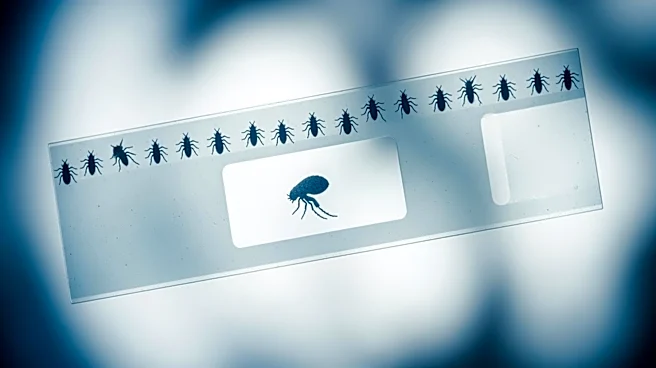
Los Angeles County is experiencing a significant increase in flea-borne typhus cases, with health officials reporting a record number of infections in 2025. The Los Angeles County Department of Public Health issued a bulletin warning residents about the
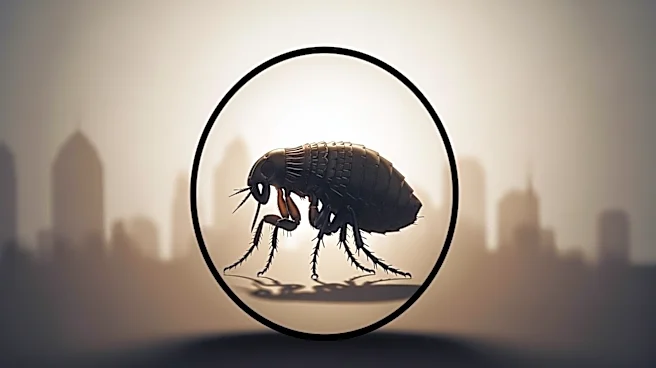
surge, noting that the number of cases has risen nearly 20% from the previous year. In 2025, the county recorded the highest-ever number of typhus cases, with nearly 9 out of 10 infected individuals requiring hospitalization. The disease, which is spread by fleas, poses a serious health risk, particularly to those in close proximity to rats or other rodents. The resurgence of typhus is part of a broader trend of increasing vector-borne illnesses, attributed to rising temperatures and human activity, which expand the geographic range and breeding seasons of disease vectors like fleas, ticks, and mosquitoes.
Why It's Important?
The resurgence of typhus in Los Angeles County highlights a growing public health challenge as vector-borne diseases become more prevalent due to climate change and increased human activity. The significant rise in cases underscores the need for heightened public awareness and preventive measures to protect vulnerable populations. The situation is concerning because typhus, once a rare disease, is now affecting a wide age range of individuals, from 1 to 85 years old. The increase in typhus cases is indicative of a broader trend of re-emerging diseases, such as Lyme disease and Zika, which are also on the rise. This trend poses a threat to public health systems and requires coordinated efforts to mitigate the impact of these diseases.
What's Next?
In response to the surge in typhus cases, the Los Angeles County Department of Public Health is advising residents to take preventive measures against flea exposure, including using EPA-registered insect repellents. Health officials are also urging the public to recognize the symptoms of typhus and seek medical attention promptly if needed. The county's health department is likely to continue monitoring the situation closely and may implement additional public health interventions to control the spread of the disease. As climate change continues to affect the distribution of disease vectors, public health agencies may need to adapt their strategies to address the evolving threat of vector-borne illnesses.