







What's Happening?
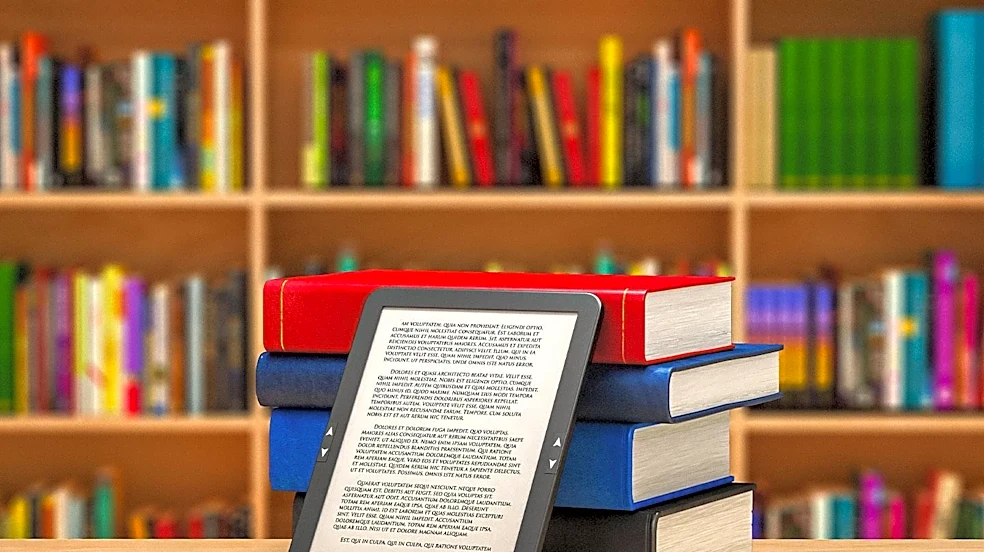
Libraries across Illinois are enhancing their digital offerings, providing patrons with expanded access to e-books, audiobooks, and magazines. The Digital Library of Illinois allows users to download these resources directly with their library cards.
Additionally, eRead Illinois serves as a shared online collection of digital books accessible through hundreds of libraries within the state. For younger readers, TumbleBookLibrary offers animated picture books online, with the option to download them for offline enjoyment using the free TumbleReader. NoveList K-8 Plus is also available as a resource for book recommendations, catering to various criteria such as author, subject, reading level, and theme. These initiatives aim to make a wide array of digital content readily available to Illinois residents, supporting reading and learning across different age groups.
Why It's Important?
The expansion of digital library resources in Illinois is significant for several reasons. It democratizes access to literature and educational materials, allowing individuals who may not have the means to purchase books to access them freely. This is particularly crucial for students and low-income families, as it provides essential learning tools and entertainment without financial barriers. The availability of animated picture books through TumbleBookLibrary supports early literacy development, engaging young children with interactive content. Furthermore, platforms like NoveList K-8 Plus help foster a love for reading by guiding users to books tailored to their interests and reading levels. This digital accessibility also caters to modern consumption habits, enabling patrons to enjoy content on their preferred devices at their convenience, thereby increasing overall library engagement and promoting continuous learning within communities.
What's Next?
The continued integration of digital platforms is expected to further transform how Illinois residents interact with their local libraries. Libraries will likely continue to update their digital collections, adding new titles and expanding the range of available formats to meet evolving user demands. There may be increased efforts to promote these digital resources through community outreach programs and workshops, ensuring that all patrons are aware of and comfortable using the available technology. Furthermore, as technology advances, libraries might explore incorporating more interactive and multimedia content, such as virtual reality experiences or enhanced e-learning modules. The focus will remain on making knowledge and entertainment accessible to everyone, adapting to technological shifts while upholding the core mission of public libraries.
Beyond the Headlines
The shift towards extensive digital library resources reflects a broader societal trend of information consumption moving online. This evolution raises important questions about digital equity and the role of public institutions in bridging the digital divide. While digital access offers convenience, it also highlights the need for reliable internet access and digital literacy skills among all demographics. Libraries are increasingly becoming vital hubs not just for borrowing books, but for providing internet access, computer training, and technical support, thereby empowering individuals to navigate the digital landscape. This transformation underscores the enduring relevance of libraries as community anchors, adapting their services to meet contemporary needs and ensuring that the benefits of the digital age are accessible to all citizens, regardless of their socioeconomic background.