






What's Happening?
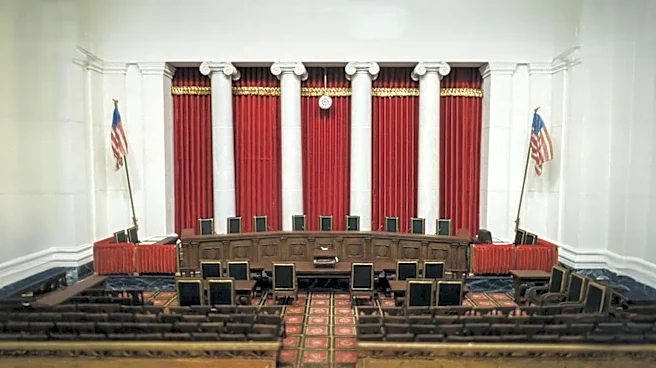
The U.S. Supreme Court has reversed a decision by the Fifth Circuit Court of Appeals regarding the application of judicial estoppel in bankruptcy cases. The case involved a debtor, Keathley, who failed to disclose a personal injury claim during bankruptcy proceedings.
The Fifth Circuit had previously ruled that the debtor should be judicially estopped from pursuing the claim due to a potential motive to conceal it. However, the Supreme Court found this approach too rigid, emphasizing that judicial estoppel should be applied based on equitable principles and the totality of circumstances. The Court's decision highlights the need for flexibility in applying judicial estoppel, especially when omissions may result from inadvertence or mistake.
Why It's Important?
This ruling is significant as it addresses a split among circuit courts on how judicial estoppel should be applied in bankruptcy cases. The decision underscores the importance of considering the debtor's intent and the circumstances surrounding nondisclosure, rather than applying a one-size-fits-all rule. This could impact future bankruptcy cases by providing more leeway for debtors who inadvertently fail to disclose claims. The ruling may also influence how lower courts handle similar cases, potentially leading to more nuanced and equitable outcomes. Stakeholders in the legal and financial sectors, including bankruptcy attorneys and debtors, will need to consider this precedent in their strategies and disclosures.
What's Next?
Following this decision, lower courts may need to reassess their criteria for applying judicial estoppel in bankruptcy cases. Legal professionals might anticipate further guidance or clarification from the Supreme Court on the application of this doctrine. Additionally, debtors and their legal representatives may need to be more diligent in disclosing all potential claims during bankruptcy proceedings to avoid complications. The ruling could also prompt legislative or procedural changes to ensure that judicial estoppel is applied consistently and fairly across different jurisdictions.