

What's Happening?
Israel's military has launched a significant operation to locate the last hostage, Ran Gvili, in Gaza. This development comes as international mediators, including the United States, press Israel and Hamas to advance to the next phase of their ceasefire
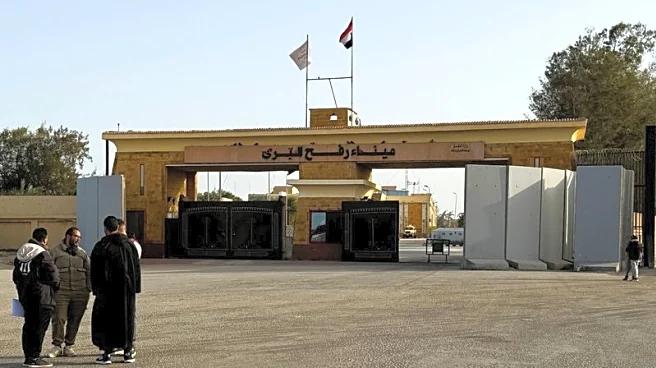
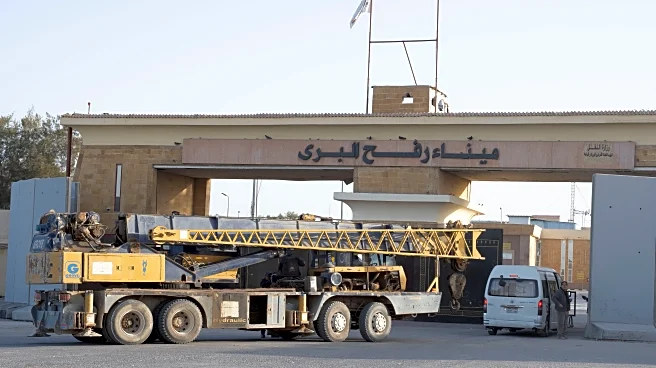
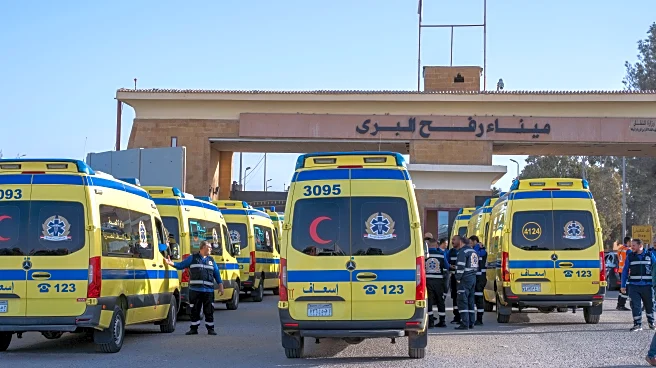
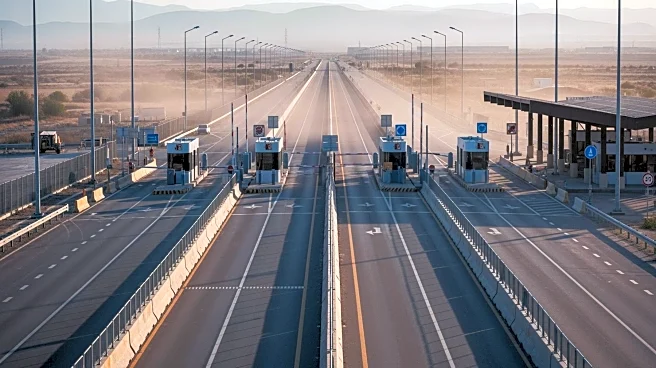
agreement. The Israeli Cabinet is also considering opening the Rafah border crossing with Egypt, contingent on the successful recovery of Gvili's remains. The operation is seen as a critical step in fulfilling the first phase of the ceasefire, which began on October 10, 2023. Israeli military officials have indicated that the operation could take several days, as they search areas in northern Gaza, including a cemetery near the Yellow Line. The return of Gvili's remains is viewed as the last hurdle before moving forward with the ceasefire's second phase.
Why It's Important?
The operation to recover Ran Gvili's remains is pivotal for the continuation of the U.S.-brokered ceasefire between Israel and Hamas. The successful completion of this mission could lead to the opening of the Rafah border crossing, a significant move for humanitarian aid and regional stability. The situation underscores the delicate balance of international diplomacy and the pressures faced by Israel to comply with ceasefire terms. The outcome of this operation could influence future negotiations and the broader geopolitical landscape in the region. Stakeholders, including the U.S. and other international mediators, are closely monitoring the situation, as it could set a precedent for handling similar conflicts in the future.
What's Next?
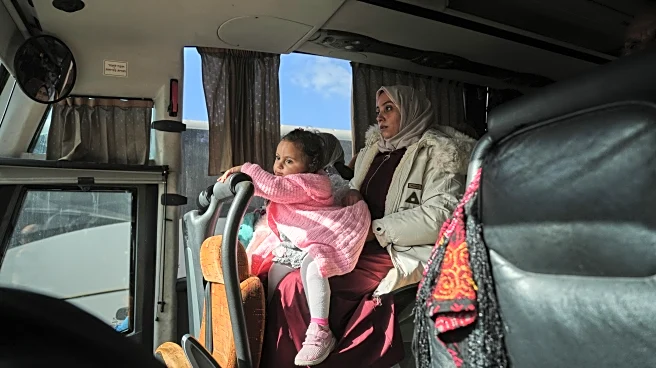
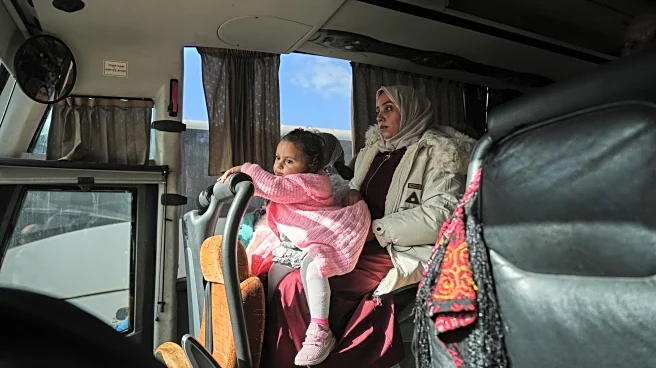
Upon the successful recovery of Gvili's remains, Israel is expected to open the Rafah border crossing, as agreed with the United States. This move would mark the beginning of the ceasefire's second phase, potentially easing tensions and allowing for increased humanitarian aid to flow into Gaza. However, the timeline for these developments remains uncertain, as the operation's duration is not clearly defined. The international community, particularly the U.S., will likely continue to play a significant role in facilitating dialogue between Israel and Hamas to ensure the ceasefire's progression. The situation remains fluid, with potential implications for regional security and diplomatic relations.