




What's Happening?
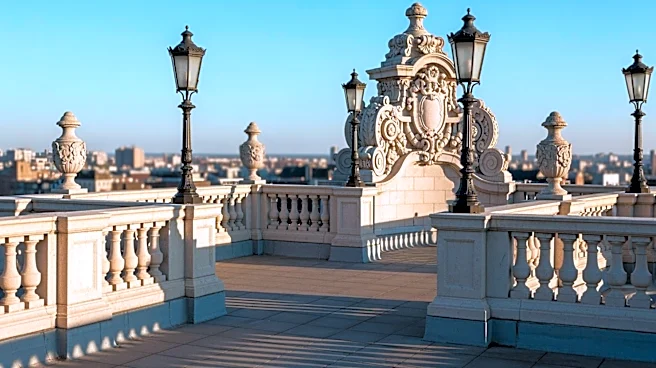
The David N. Dinkins Manhattan Municipal Building in New York City is set to open its 36th-floor cupola to the public for the first time in nearly a century. Mayor Zohran Mamdani and the Department of Citywide Administrative Services have announced the 'Centre
360' experience, a free rooftop tour offering panoramic views of the city. The building, a Beaux-Arts architectural landmark, was originally designed to be accessible to the public when it opened in 1914, but the cupola has remained off-limits until now. Tours will begin on June 11, with reservations available on the first day of each month. The building, designed by William M. Kendall, features a classical exterior and Roman architectural elements, and was the first in New York to incorporate a subway station at its base.
Why It's Important?
The opening of the cupola at the David N. Dinkins Manhattan Municipal Building provides a unique opportunity for both residents and tourists to experience New York City from a new vantage point. This initiative not only enhances public access to historic sites but also promotes cultural and civic engagement. The restoration and opening of the cupola align with broader efforts to make cultural and historical experiences more accessible to the public, especially during a busy summer season filled with significant events like the World Cup and the 250th anniversary of America. By offering free access, the city underscores its commitment to inclusivity and public enrichment.
What's Next?
The 'Centre 360' tours will be conducted in small groups, with eight viewing sessions available each weekday. This controlled access ensures a safe and enjoyable experience for all visitors. The city has also introduced a 'landmark hunt' digital game to engage visitors further, encouraging them to spot iconic landmarks during their tour. As the tours commence, it is expected that there will be significant interest from both locals and tourists, potentially leading to discussions about opening other historic sites to the public. The success of this initiative could inspire similar projects in other cities, promoting heritage tourism and public access to historical architecture.