




What's Happening?
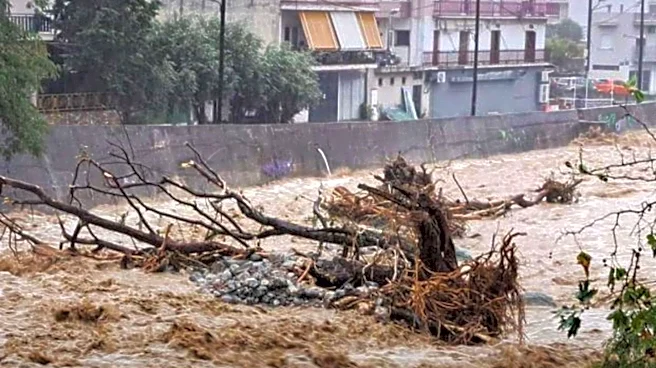
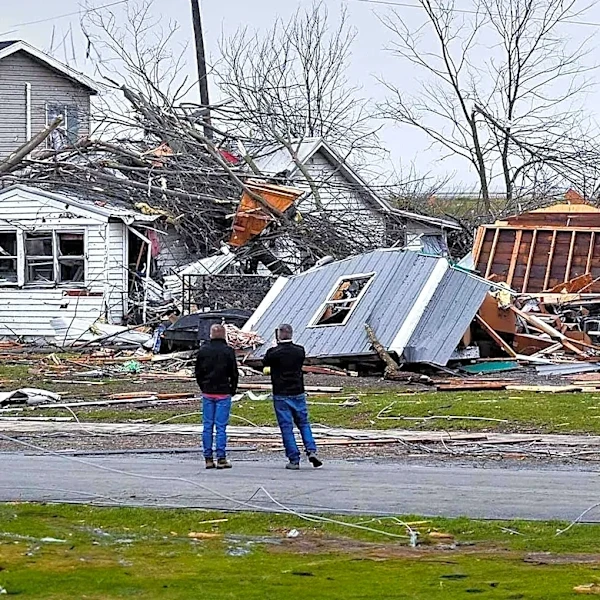
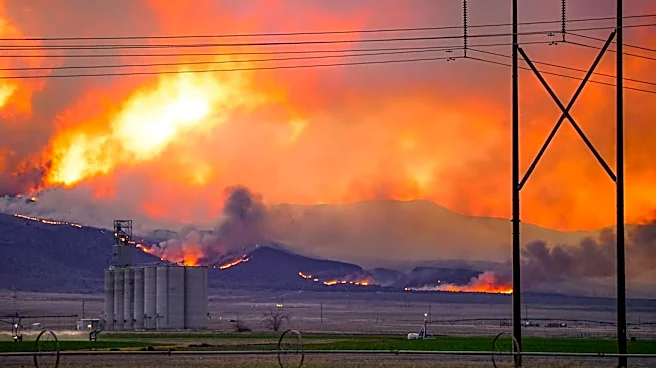
The Fairbanks North Star Borough is concluding its observance of Emergency Preparedness Month as September draws to a close. According to Luke Butcher, the borough’s Emergency Operations Director, Fairbanks faces a range of potential hazards, including
earthquakes, wildfires, flooding, and winter storms. Butcher also highlighted the importance of preparing for disruptions to the supply chain, noting that Fairbanks is at the end of a continuous stream of goods. Residents are advised to ensure they have essential items such as water, shelf-stable food, and personal necessities, as even a short break in the supply chain can lead to bare store shelves due to limited local stockpiles. The initiative aims to raise awareness and encourage residents to take proactive steps to safeguard themselves and their families against various emergencies.
Why It's Important?
Emergency preparedness is crucial for the Fairbanks North Star Borough due to its unique geographical location and susceptibility to natural disasters. The region's vulnerability to earthquakes, wildfires, and severe winter weather necessitates a well-informed and prepared populace to mitigate potential harm and disruption. Furthermore, Fairbanks' position at the end of the supply chain means that residents are particularly susceptible to shortages if transportation routes are interrupted. This makes local preparedness efforts, such as maintaining personal stockpiles of food and water, vital for community resilience. The ongoing emphasis on emergency readiness helps to reduce the burden on public services during crises and fosters a more self-reliant community capable of responding effectively to unforeseen events. The initiative underscores the importance of individual responsibility in broader community safety.
What's Next?
Following the conclusion of Emergency Preparedness Month, the Fairbanks North Star Borough will likely continue to promote preparedness through various ongoing programs and public awareness campaigns. While the focused month-long observance ends, the underlying message of readiness remains pertinent. Future efforts may include distributing educational materials, conducting drills, and collaborating with local organizations to enhance community resilience. Residents are expected to integrate the lessons learned into their daily lives, maintaining their emergency kits and plans. The borough's Emergency Operations Director, Luke Butcher, will likely continue to monitor potential threats and update preparedness guidelines as needed, ensuring that Fairbanks remains ready for any future emergencies, particularly given its unique supply chain challenges.
Beyond the Headlines
The emphasis on emergency preparedness in Fairbanks extends beyond immediate disaster response, touching upon deeper issues of community self-sufficiency and regional vulnerability. The discussion about supply chain disruptions highlights a critical economic and logistical challenge for remote communities. It underscores how global and national supply networks, while efficient, can create significant local fragilities. This situation prompts a broader conversation about local food production, alternative energy sources, and decentralized infrastructure to enhance resilience. Culturally, such preparedness initiatives can foster a stronger sense of community and mutual aid, as residents are encouraged to look out for one another during crises. The long-term implications involve potentially shifting local policies to support more robust local economies and infrastructure that can withstand external shocks, moving towards a more sustainable and secure future for the borough.