

What's Happening?
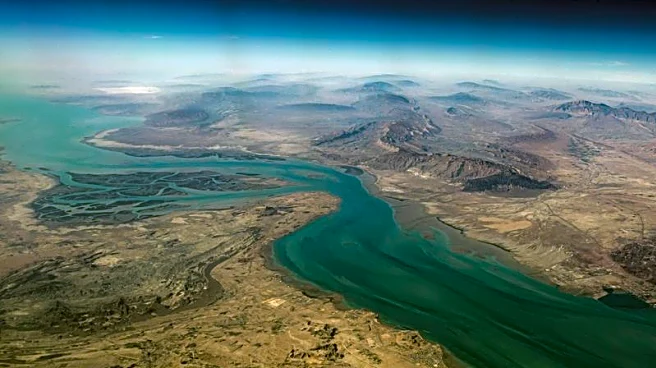
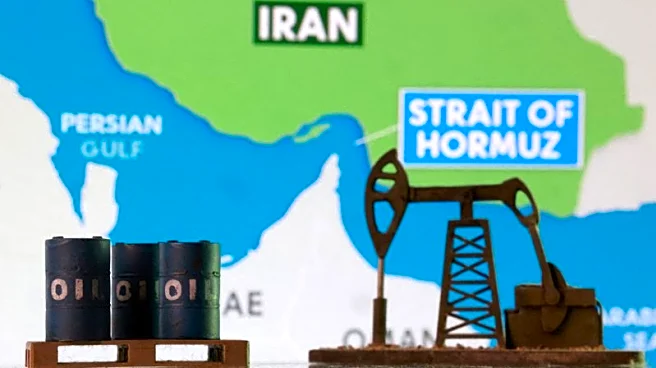
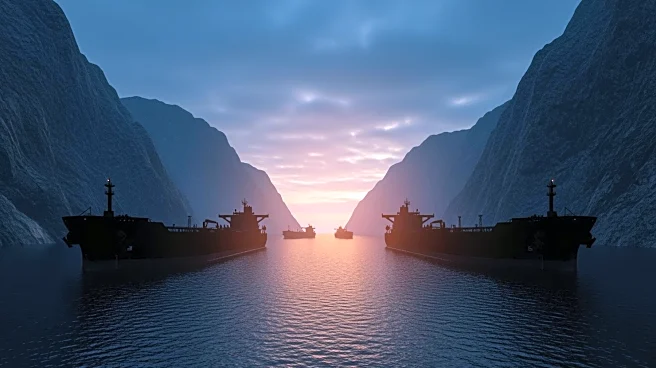
Iran has announced the closure of the Strait of Hormuz, a critical maritime chokepoint through which approximately 20% of the world's crude oil passes. The Islamic Revolutionary Guard Corps (IRGC) has declared that any ship attempting to pass through the strait
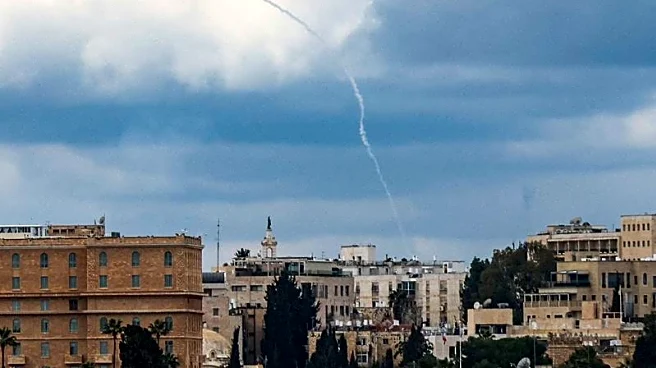
will be set on fire. This announcement follows a series of attacks on oil tankers, including the MKD VYOM, which was struck by an Iranian uncrewed surface vehicle (USV) near Muscat, Oman. The attack resulted in the death of one crew member. The IRGC's actions come amid heightened tensions following U.S. and Israeli military operations targeting Iranian assets. The closure of the strait and the attacks on shipping vessels have led to a significant reduction in maritime traffic, with many ships turning off their transponders to avoid detection.
Why It's Important?
The closure of the Strait of Hormuz by Iran poses a significant threat to global oil supply chains, potentially leading to increased oil prices and economic instability. The strait is a vital route for oil exports from the Middle East, and its closure could disrupt the flow of oil to international markets. This development also escalates tensions in the region, with potential implications for U.S. foreign policy and military strategy. The use of USVs by Iran highlights the evolving nature of maritime threats and the challenges faced by international shipping companies in ensuring the safety of their vessels. The situation underscores the need for diplomatic efforts to de-escalate tensions and ensure the security of critical maritime routes.
What's Next?
The international community is likely to respond to Iran's actions with increased diplomatic and military pressure. The U.S. and its allies may seek to ensure the security of the Strait of Hormuz through naval patrols and other measures. Shipping companies will need to assess the risks of operating in the region and may consider rerouting vessels to avoid the strait. The situation could lead to further military confrontations if Iran continues to target commercial shipping. Additionally, the global oil market will be closely monitoring developments, as any prolonged disruption could have significant economic consequences.
Beyond the Headlines
The closure of the Strait of Hormuz by Iran raises broader questions about the security of global maritime routes and the potential for conflict in the region. The use of advanced technologies, such as USVs, in maritime warfare represents a shift in the nature of naval conflicts and highlights the need for new strategies to counter these threats. The situation also reflects the complex geopolitical dynamics in the Middle East, where regional powers are vying for influence and control. The international community will need to navigate these challenges carefully to prevent further escalation and ensure the stability of global energy markets.