

What's Happening?
Labor Day in the United States is a federal holiday celebrated annually on the first Monday of September. In 2026, this falls on Monday, September 7. The holiday has been a federal observance since 1894, creating a three-day long weekend for many Americans.
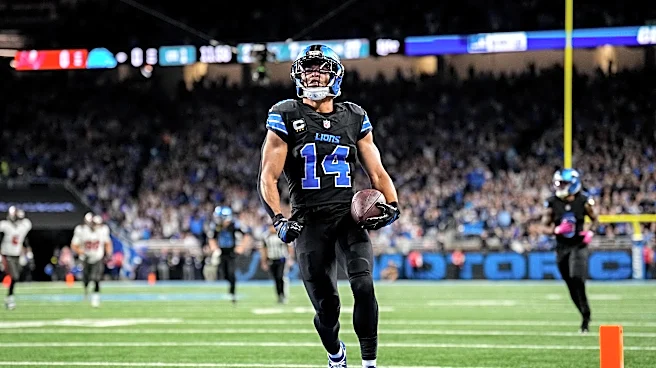
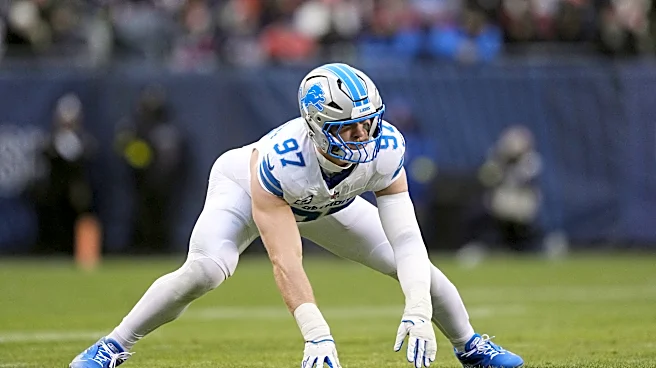
It serves as a tribute to the contributions of American workers and is widely regarded as the unofficial end of summer, often marked by the closing of public pools and the start of the academic year. Unlike International Workers' Day on May 1st, Labor Day in the U.S. was established in September for political reasons, to disassociate it from socialist and anarchist movements linked to the Haymarket affair of 1886. This timing aimed to create a more consensual celebration of the labor movement without revolutionary connotations. Traditional activities on Labor Day include family barbecues, cookouts, last beach days, parades in some cities, significant retail sales for back-to-school shopping, and the opening of the NFL football season.
Why It's Important?
Labor Day holds significant cultural and economic importance in the United States. Culturally, it marks a transition point from summer leisure to the fall season, influencing consumer behavior with back-to-school shopping and end-of-summer sales. Economically, the long weekend often boosts travel and retail sectors as families take final summer trips and prepare for the academic year. The holiday's historical roots underscore the nation's recognition of the labor movement's impact on workers' rights and conditions. By dedicating a federal holiday to labor, the U.S. acknowledges the collective efforts that have shaped its industrial and economic landscape. The distinct timing of Labor Day in September, separate from international labor celebrations, also reflects a unique historical and political trajectory in American labor relations, emphasizing a more nationalistic and less revolutionary approach to honoring workers.
What's Next?
As Labor Day approaches each year, Americans typically anticipate a three-day weekend filled with various leisure activities. Government offices, including those in Union County, generally close in observance of the holiday, impacting public services. Businesses often capitalize on the long weekend with promotional sales, particularly for back-to-school items and end-of-summer merchandise. The holiday also traditionally signals the start of the professional football season, drawing significant viewership and engagement. For many, it's a final opportunity for summer travel and outdoor gatherings before the cooler weather sets in. The consistent observance of Labor Day on the first Monday of September ensures that these patterns of celebration, commerce, and public service adjustments recur annually, reinforcing its role as a fixed point in the American calendar.
Beyond the Headlines
Beyond its immediate function as a holiday, Labor Day subtly reinforces the American narrative of labor and capitalism. By separating its celebration from the more globally recognized May Day, the U.S. historically aimed to de-radicalize the concept of workers' rights, framing it within a more national and less class-conflict-oriented context. This distinction highlights a unique aspect of American political culture, where labor movements have often sought integration within the existing economic system rather than its overthrow. The holiday also serves as a moment for reflection on the evolution of work in America, from industrial labor to the modern service and knowledge economies. It implicitly encourages a recognition of the diverse contributions of all workers, from blue-collar to white-collar, to the nation's prosperity, while also marking the cyclical rhythm of American life with the transition from summer to fall.