



What's Happening?
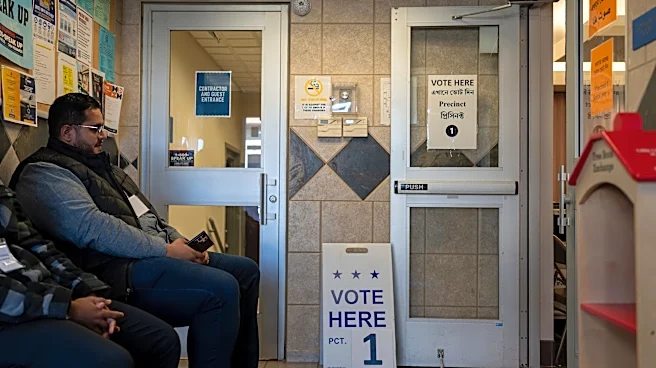
Michigan voters will face two significant ballot proposals in the upcoming November election. One proposal aims to reduce the influence of money in politics, while the other seeks to implement a citizenship verification requirement for voting. Additionally,
voters will decide on whether the state should hold a constitutional convention, a question that appears on the ballot every 16 years. These proposals reflect ongoing efforts to address concerns about election integrity and political influence in Michigan.
Why It's Important?
The ballot proposals in Michigan are part of a broader national conversation about election reform and the role of money in politics. The proposal to reduce political spending could have significant implications for campaign finance laws and the influence of special interest groups. Meanwhile, the citizenship verification requirement for voting addresses concerns about election security and voter fraud. The outcomes of these proposals could set precedents for other states considering similar measures and influence the national debate on election reform.
What's Next?
As the November election approaches, stakeholders on both sides of the ballot proposals will likely intensify their efforts to sway public opinion. Advocacy groups, political parties, and civic organizations will engage in campaigns to educate voters about the implications of the proposals. The results of the election could prompt further legislative and legal actions, depending on the outcomes. The proposals also highlight the importance of voter engagement and participation in shaping the future of election laws and political processes in Michigan and beyond.