



What's Happening?
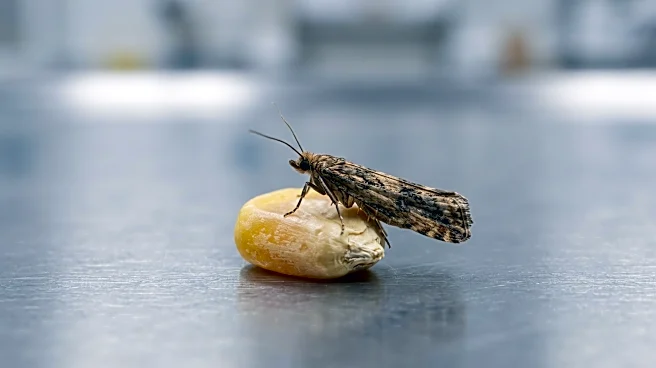
U.S. Customs and Border Protection (CBP) agriculture specialists at Detroit Metropolitan Airport made a significant discovery earlier this year: the first-ever interception of a non-native straw crest moth (Mesophleps silacella) at a U.S. port of entry.
The initial detection occurred in January when an agriculture detector canine alerted CBP staff to luggage belonging to a traveler from Ghana during a routine inspection. Upon closer examination, corn and seeds within the luggage were found to contain a small, winged insect. Specialists from the U.S. Department of Agriculture (USDA) later identified this insect as the straw crest moth. Local CBP officials confirmed the identification with USDA on August 12, marking a historic first for the agency. The straw crest moth is native to Europe and parts of Africa and is known to feed on plants in the rockrose family. The traveler was informed of agriculture import requirements and released without further incident.
Why It's Important?
This interception is crucial for U.S. agriculture and the economy as it highlights the ongoing threat of invasive species. The straw crest moth belongs to a family of insects with approximately 4,700 known species worldwide, many of which are destructive pests. In their native environments, natural predators and plant resistance often keep these pests in check. However, when introduced to new areas without these natural controls, invasive species can cause significant damage to crops, compromise food supplies, and destabilize agricultural industries. Port Director Fadia Pastilong emphasized that this discovery demonstrates the thoroughness of agriculture specialists in preventing potential pests from entering the United States. The U.S. agriculture industry, particularly the cultivation of plants in the rockrose family, could face substantial economic losses if such pests become established. This event underscores the critical role of CBP in safeguarding American agriculture and natural resources.
What's Next?
Following this first-in-nation discovery, U.S. Customs and Border Protection will likely continue to enhance its vigilance and screening protocols for agricultural imports, especially from regions where the straw crest moth is endemic. The USDA may also initiate further research into the potential impact of this specific moth species on U.S. crops and ecosystems, should it ever bypass border controls. Travelers are continuously reminded by Director of Field Operations Marty C. Raybon to declare all agricultural items when entering the United States, as this is considered the primary defense against invasive threats. Educational campaigns for travelers might be reinforced to raise awareness about the risks associated with undeclared agricultural products. The incident serves as a reminder for ongoing collaboration between CBP and USDA to develop and implement effective strategies for preventing the introduction and spread of harmful pests, thereby protecting the nation's agricultural sector.
Beyond the Headlines
The interception of the straw crest moth underscores the complex and often unseen battle against biological invasions that occurs daily at U.S. borders. Beyond the immediate agricultural and economic implications, invasive species can have profound ecological consequences, disrupting native ecosystems, outcompeting indigenous species, and altering biodiversity. This event highlights the interconnectedness of global trade and travel with environmental security. It also brings to light the sophisticated methods employed by agencies like CBP, including the use of detector canines and specialized agricultural inspections, which are vital for national biosecurity. The incident serves as a stark reminder that seemingly small, isolated events at a port of entry can have far-reaching environmental and economic ripple effects, necessitating continuous investment in and refinement of border protection measures to mitigate these silent threats.