






What's Happening?
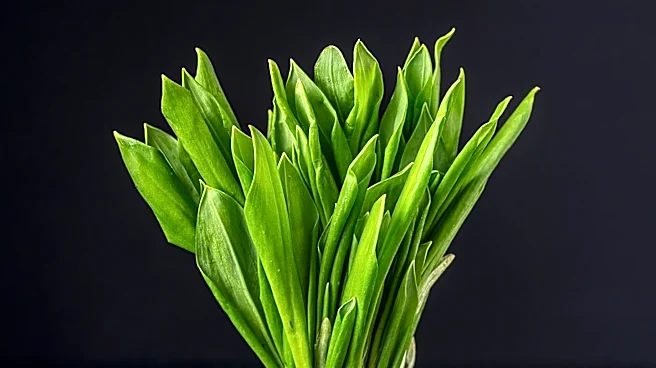
Ramps, botanically known as Allium tricoccum, are slender, upright plants characterized by small bulb-like bases, tapering stalks, and broad lanceolate-shaped leaves. These wild leeks are traditionally harvested when they reach 25 to 35 centimeters in length,
with bulbs typically 1 to 4 centimeters long. The plants possess a powerful, woody aroma combined with pungent garlic, onion, and vinegar notes. All parts of the plant—leaves, stems, bulbs, and roots—are edible, either raw or cooked, offering an earthy, peppery, vegetal, garlicky, and onion-like taste. Wild Ramps are a slow-growing, perennial plant native to North America, appearing for only a few months in early spring, often for three weeks or less in some regions. They grow in clusters with shallow, entwined roots and were once abundant across the United States and Canada. However, overharvesting has made them an elusive and valuable ingredient.
Why It's Important?
Ramps hold significant cultural and historical importance in the United States, particularly in the Appalachian region and in the naming of Chicago. The name 'Chicago' is derived from the Algonquin word 'shikaakwa,' meaning 'striped skunk' or 'onion,' believed to refer to the Ramps that grew widely along the rivers and lakeshores of the region. This connection highlights the plant's historical presence and its role in the indigenous landscape. In the Appalachian region, Ramps are celebrated through seasonal festivals, such as the long-standing Ramp festival in Cosby, Tennessee. These festivals not only honor the plant but also serve as cultural events that bring communities together and boost local economies. The plant's transformation from a local, foraged ingredient to a treasured culinary item in high demand across North America underscores its growing economic value and its impact on regional food cultures. The issue of overharvesting, however, poses a threat to the plant's survival, emphasizing the importance of sustainable foraging practices and conservation efforts to preserve this culturally significant species.
What's Next?
The future of Ramps will likely involve continued efforts to balance their culinary demand with conservation. Given the plant's slow growth cycle—seeds taking 6 to 18 months to germinate and plants requiring 5 to 7 years to mature—sustainable harvesting practices are crucial. Regulations, similar to those in Quebec, Canada, which limit personal harvesting and prohibit commercial selling, may become more widespread in the United States to protect dwindling wild populations. Educational initiatives for foragers and consumers about responsible harvesting and the ecological impact of overharvesting will also be vital. Furthermore, commercial cultivation of Ramps could expand to meet demand without depleting wild stocks, offering a more sustainable supply chain. The cultural celebrations, such as the Ramp festivals, are expected to continue, potentially incorporating more conservation-focused messaging to raise awareness about the plant's vulnerability. Research into faster propagation methods and habitat restoration could also play a role in ensuring the long-term availability of this historically and culturally significant wild leek.
Beyond the Headlines
The story of Ramps delves into deeper implications concerning environmental ethics, indigenous knowledge, and the commodification of wild resources. The plant's connection to the naming of Chicago and its role in Native American traditions highlight the profound historical relationship between humans and their natural environment. The shift from a readily available wild food to a sought-after delicacy, coupled with the threat of overharvesting, raises ethical questions about human impact on biodiversity and the sustainability of foraging practices. This situation underscores the importance of respecting ecological limits and integrating traditional ecological knowledge into modern conservation strategies. The commercialization of Ramps also reflects a broader trend where once-local, wild foods gain national or international culinary appeal, often leading to increased pressure on natural ecosystems. This dynamic necessitates a re-evaluation of how we value and manage wild resources, emphasizing the need for policies that protect both the environment and the cultural heritage associated with these plants.