
What's Happening?
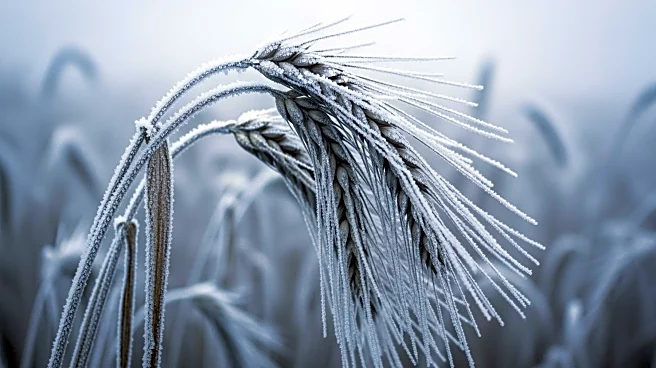
Severe cold and dense fog in Punjab have raised concerns among experts about the impact on agriculture and dairy sectors. The weather conditions, persisting for several days, are expected to worsen, posing
risks to crops and livestock. Punjab Agricultural University and Guru Angad Dev Veterinary and Animal Sciences University have advised farmers to adopt protective measures. Vegetable crops, newly planted orchards, and tender fruits are particularly vulnerable to frost. Experts recommend light irrigation, balanced nutrient application, and protective barriers to mitigate the impact. For livestock, extreme cold can affect milk production and health, prompting recommendations for shelter modification, nutritional support, and healthcare.
Why It's Important?
The adverse weather conditions threaten the livelihoods of farmers and the agricultural output in Punjab, a key agricultural region. The potential damage to crops and livestock could lead to economic losses and affect food supply chains. The situation underscores the importance of climate resilience and adaptive strategies in agriculture. The advice from agricultural and veterinary experts aims to minimize losses and ensure the sustainability of farming practices in the face of climate challenges.
What's Next?
Farmers are expected to implement the recommended protective measures to safeguard their crops and livestock. Continuous monitoring of weather conditions and crop health will be crucial. The situation may prompt further research and development of more resilient agricultural practices and technologies. Authorities may also consider providing support and resources to affected farmers to help them cope with the challenges posed by the extreme weather.