





What's Happening?
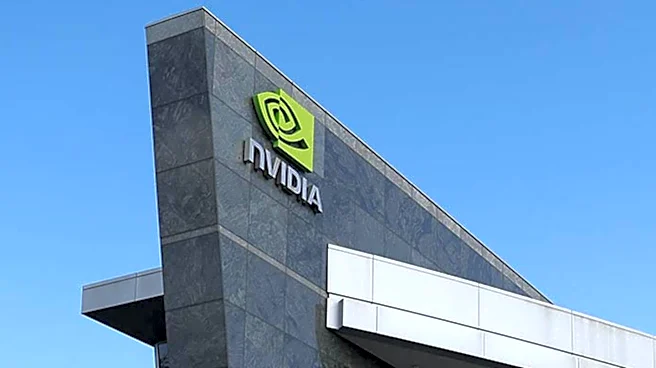
The Jen-Hsun and Lori Huang Foundation, established in 2007 by Nvidia co-founder Jensen Huang and his wife Lori Huang, has seen its net assets nearly triple from approximately $3.34 billion to $9.13 billion between 2023 and 2024. This significant growth
mirrors the skyrocketing value and profits of Nvidia. Lori Huang serves as the president of the foundation, with Jensen Huang as CFO and secretary. The foundation, which keeps a low profile with no public website or employee list, made its first reported donation of $40,000 to Stanford University in 2008. Since then, its philanthropic activities have expanded considerably. In 2024, the foundation donated around $126.3 million, with about 65% directed to a donor-advised fund, a mechanism that allows donors immediate tax deductions while advising on future disbursements. The foundation has a particular focus on Oregon State University, where the Huangs met, committing approximately $30.5 million to the institution in 2024. Other supported causes include higher education, public health, STEM initiatives across the U.S., local community organizations in the San Francisco Bay Area, and mental health causes, with nearly $11 million going to Crisis Text Line and $1.68 million to Mental Health Innovations.
Why It's Important?
The substantial growth of the Jen-Hsun and Lori Huang Foundation's assets highlights the increasing influence of tech wealth on U.S. philanthropy. As Nvidia's market value has surged, so has the capacity of the Huangs to contribute to various causes, positioning their foundation among the largest private foundations in the United States. This influx of private capital into areas like higher education, public health, and STEM initiatives can significantly impact research, development, and community programs that might otherwise struggle for funding. The foundation's use of donor-advised funds, while offering tax advantages, also raises questions about transparency, as the ultimate recipients of these funds do not always need to be publicly disclosed by the foundation itself. The focus on specific institutions like Oregon State University demonstrates a personal connection guiding philanthropic decisions, which can lead to targeted and impactful investments in particular fields or regions. The support for mental health causes is particularly timely, addressing a growing societal need.
What's Next?
The future trajectory of the Jen-Hsun and Lori Huang Foundation is currently uncertain, particularly in light of recent personal developments concerning Jensen Huang. While existing commitments made by the foundation are expected to be honored, potential changes in leadership or philanthropic strategy could arise. The foundation's continued growth is likely tied to Nvidia's ongoing success in the AI industry. Organizations that have benefited from the foundation's generosity, especially those in the San Francisco Bay Area, Oregon, and mental health support services, will be closely watching any developments. The foundation's reliance on donor-advised funds means that while its overall giving capacity is significant, the specific allocation of a large portion of its donations remains at the discretion of the Huangs, or their advisors, within the framework of these funds. Tax filings for 2025 are not yet available, and any public statements regarding the foundation's future direction are pending.
Beyond the Headlines
The story of the Jen-Hsun and Lori Huang Foundation underscores a broader discussion about the nature of modern philanthropy, particularly from the tech sector. The rapid accumulation of wealth in industries like AI has created a new class of mega-donors whose personal decisions can have far-reaching implications for numerous charitable organizations and societal initiatives. The use of donor-advised funds, while legal and increasingly popular, also sparks debate about the balance between donor intent, tax benefits, and public accountability in charitable giving. The personal lives of prominent philanthropists, as highlighted by the situation with the Huangs, can introduce an element of unpredictability into the philanthropic landscape, affecting the long-term stability of funding for various causes. This situation also draws parallels to other high-profile philanthropic transitions, such as the Bill and Melinda Gates divorce, suggesting a potential model for how such large foundations might navigate personal changes while maintaining their charitable missions.