


What's Happening?
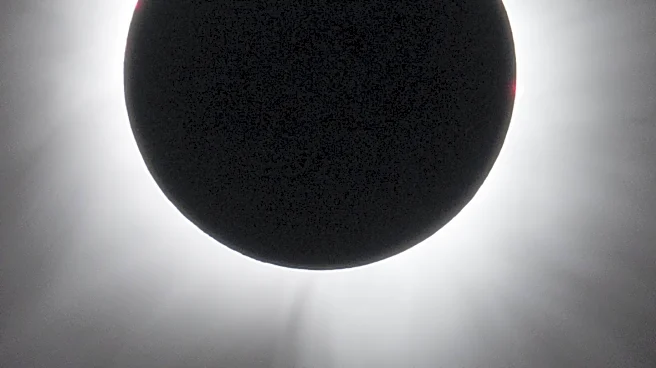
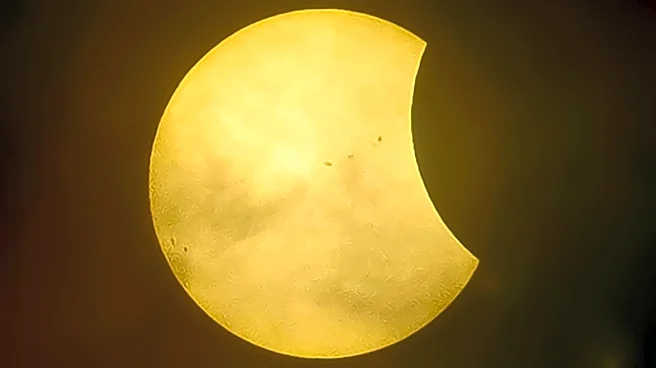
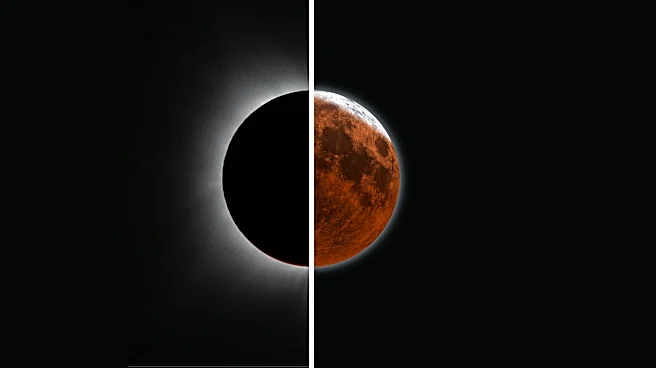
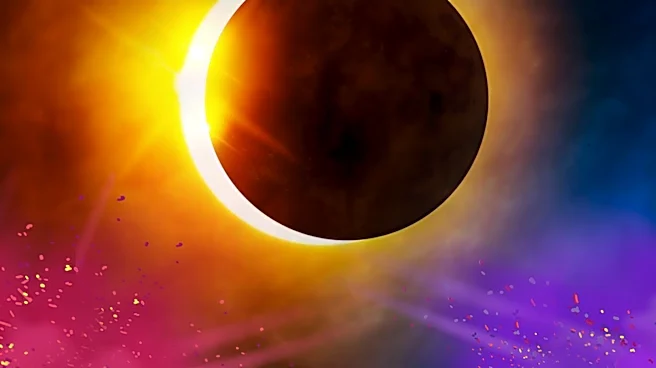
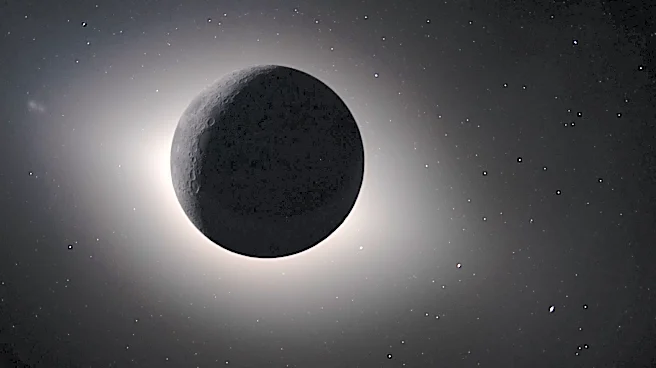
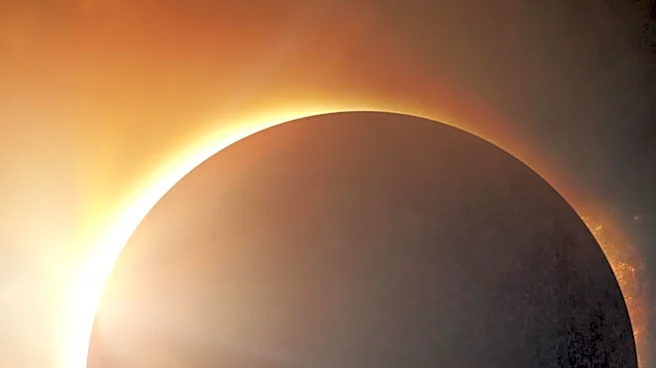
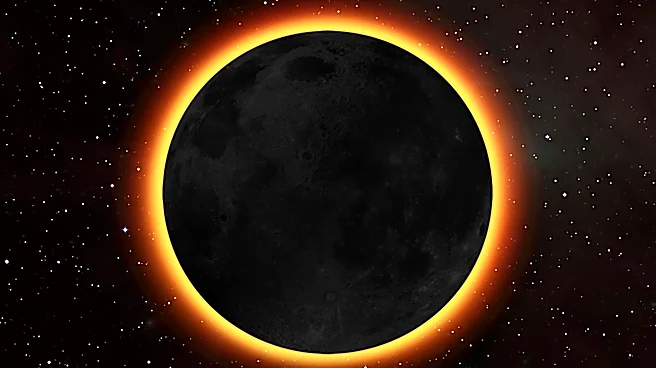
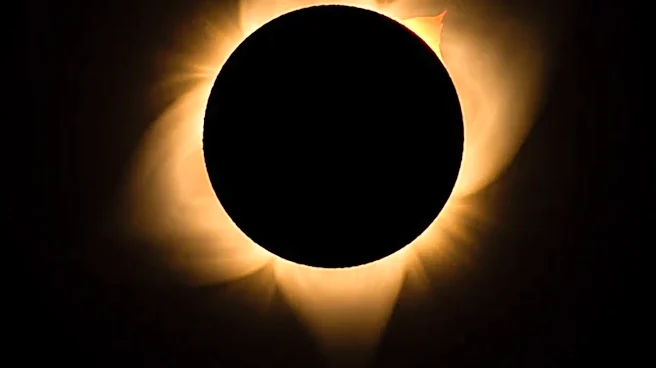
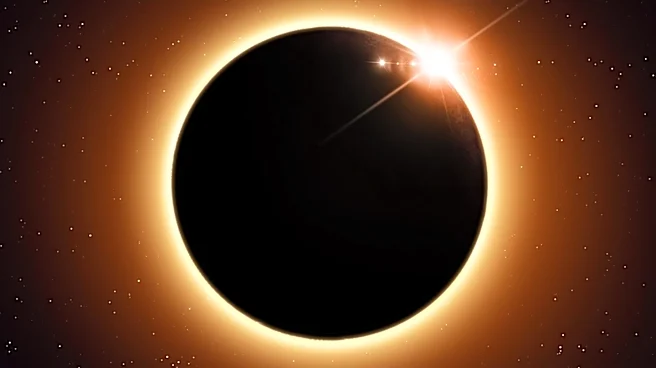
Mainland Spain is set to experience its first total solar eclipse in more than 100 years on August 12, 2026. The eclipse will also be visible in parts of Iceland and Greenland. This rare astronomical event is significant as the last full solar eclipse in Spain occurred
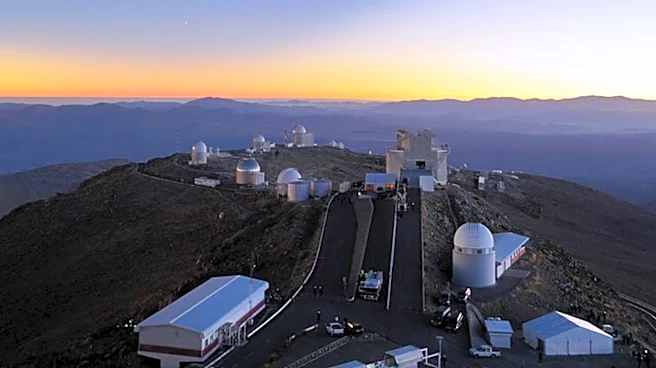
in 1912. The eclipse will coincide with a meteor shower and a planetary alignment, making it a spectacular celestial event. The European Space Agency (ESA) and NASA are planning to host live broadcasts and public events to celebrate the occasion. The eclipse will provide a unique opportunity for scientific research, with teams launching high-altitude balloons to study atmospheric changes during the event.
Why It's Important?
The total solar eclipse presents a rare opportunity for scientific observation and public engagement with astronomy. It highlights the importance of international collaboration in space science, as organizations like ESA and NASA work together to maximize the scientific and educational impact of the event. The eclipse also has cultural significance, drawing attention to the wonders of the natural world and inspiring interest in science and astronomy. For Spain, the event is a moment of national pride and an opportunity to showcase its scientific capabilities.
What's Next?
Following the 2026 eclipse, Spain will experience another total solar eclipse in 2027, offering even longer observation time. This will be followed by a ring-of-fire eclipse in 2028. These events will continue to provide opportunities for scientific research and public engagement. The upcoming eclipses may also boost tourism in Spain, as enthusiasts from around the world travel to witness these rare celestial events.