








What's Happening?
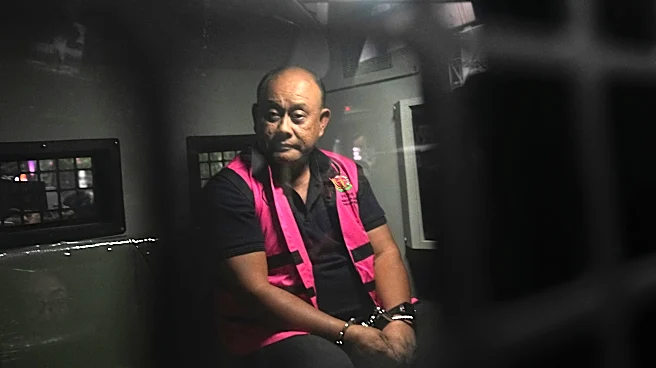
Indonesia's Deputy Minister for Immigration Affairs, Silmy Karim, has been arrested following a 10-hour interrogation by the country's anti-corruption agency, KPK. The arrest is part of a broader crackdown on corruption within the Indonesian government,
specifically targeting irregularities in the administration of immigration documents. The alleged corruption took place between 2023 and 2024, during Karim's tenure as Director General for Immigration Affairs under then-President Joko Widodo. The KPK has identified seven additional suspects in connection with the case, with further details expected to be released. This arrest follows the recent detention of Dadan Hindayana, former head of an agency linked to President Prabowo Subianto's free-meals program, also on corruption charges.
Why It's Important?
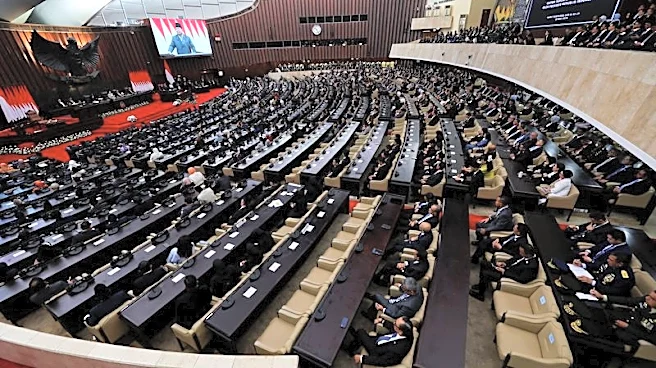
The arrest of a high-ranking official like Silmy Karim underscores the Indonesian government's intensified efforts to combat corruption, a persistent issue affecting the country's governance and public trust. This crackdown could have significant implications for Indonesia's political landscape, potentially leading to further investigations and arrests. It highlights the challenges faced by President Prabowo Subianto's administration in maintaining transparency and accountability. The focus on immigration affairs also points to potential vulnerabilities in the country's border management and national security, which could have broader implications for international relations and economic stability.
What's Next?
As the investigation unfolds, more arrests and revelations are likely, which could lead to significant political and administrative changes within Indonesia. The government may implement stricter oversight and reforms in immigration and other sectors to prevent future corruption. International observers and stakeholders will be watching closely, as these developments could affect Indonesia's diplomatic relations and its reputation as a stable investment destination. The outcome of these legal proceedings could also influence public opinion and voter sentiment ahead of future elections.